
Understanding the difference between a warehouse and fulfillment is essential, especially when managing your business logistics. At Mr Shifter East Anglia Ltd, we help you navigate these terms so you can make informed decisions that suit your needs. Warehousing and fulfillment may seem similar, but they serve distinct roles in the supply chain. Knowing how they differ can streamline your operations and improve customer satisfaction.
What is the Difference Between Warehouse and Fulfillment?
Definition of a Warehouse
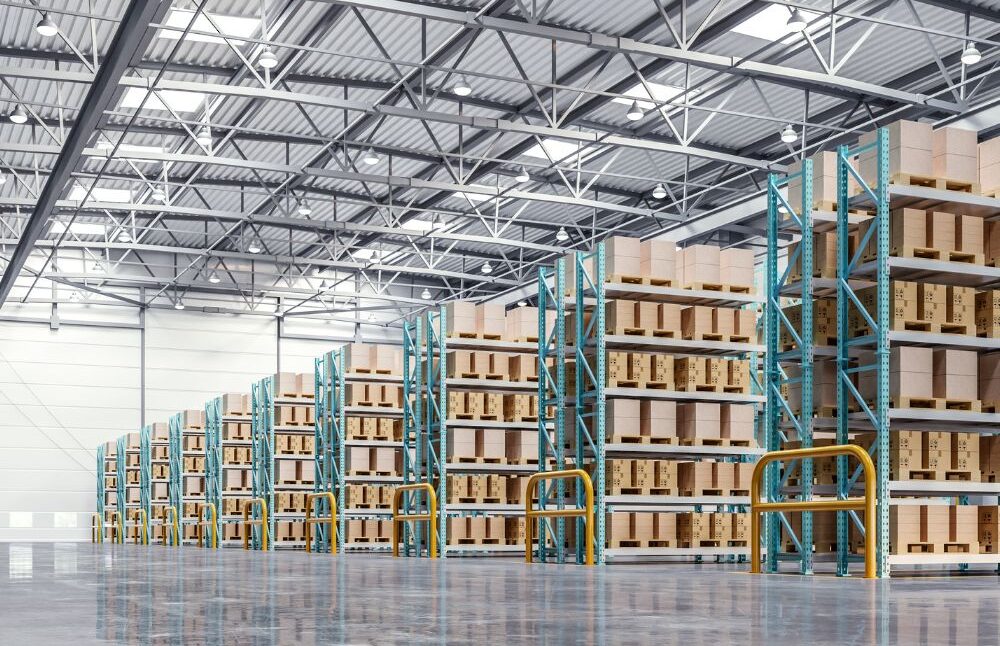
A warehouse is a large storage facility used to keep goods for an extended period. These spaces are typically designed for bulk storage, where products are kept in one place until they are needed. Warehouses are often located near manufacturing centres, making them convenient for storing raw materials and finished goods. They are equipped with shelving, forklifts, and other machinery to handle large volumes of items. Warehouses focus more on storage than on the movement of goods, serving as a central hub for inventory management.
Definition of Fulfillment
Fulfillment refers to the process of taking orders and delivering them to customers. Unlike a warehouse, which is primarily for storage, a fulfillment centre handles picking, packing, and shipping products directly to consumers. This process starts the moment an order is placed and continues until the item is in the customer’s hands. Fulfillment centres often work closely with e-commerce businesses, ensuring that online orders are processed quickly and efficiently. They are equipped with advanced technology to track orders and manage inventory in real-time.
Role of Warehouses in Business
Warehouses play a crucial role in maintaining a steady supply of products. They allow businesses to buy goods in bulk, often at a lower cost, and store them until they are needed. This bulk purchasing can save money and reduce the risk of stockouts. Warehouses also provide a buffer against demand fluctuations, ensuring that products are available when customers want them. They are particularly useful for companies that deal with seasonal products or those with long lead times.
Role of Fulfillment Centres in Business
Fulfillment centres are designed to speed up the order-to-delivery process. They handle everything from receiving orders to shipping them out, ensuring that customers get their products as quickly as possible. These centres are equipped with sophisticated software to manage inventory, track orders, and communicate with shipping carriers. This makes them ideal for e-commerce businesses that need to process a large number of orders daily. The primary focus is on efficiency, with the goal of reducing the time it takes for a product to reach the customer.
Storage Capabilities of Warehouses
Warehouses are built for long-term storage, offering ample space for holding large quantities of goods. They are equipped with heavy-duty shelving, allowing businesses to store items of all sizes and weights. Many warehouses are climate-controlled to protect sensitive products from extreme temperatures or humidity. The focus is on maximising storage capacity, making them ideal for companies that need to store products for extended periods. Warehouses also offer security features like CCTV and alarm systems to protect valuable inventory.
Storage Capabilities of Fulfillment Centres
Fulfillment centres, on the other hand, are designed for short-term storage. Products move in and out quickly, often within a few days. The storage layout is optimised for speed, with items organised in a way that makes them easy to pick and pack. Fulfillment centres are not meant for holding large volumes of goods for long periods. Instead, they are designed to keep inventory flowing, ensuring that products are always ready to be shipped. The focus is on quick turnover rather than long-term storage.
Inventory Management in Warehouses
In a warehouse, inventory management focuses on keeping track of large volumes of stock. This involves regular stock checks, detailed record-keeping, and the use of software to monitor inventory levels. Warehouses often operate on a first-in, first-out (FIFO) basis to ensure that older stock is used before newer stock. This helps prevent products from becoming outdated or obsolete. Effective inventory management in a warehouse ensures that there is always enough stock to meet demand, without overstocking or running out of space.
Inventory Management in Fulfillment Centres
Fulfillment centres require a more dynamic approach to inventory management. Since products move quickly, real-time tracking is essential. Fulfillment centres use advanced software to monitor stock levels, track orders, and predict when new stock will be needed. This ensures that popular items are always in stock and that orders can be fulfilled without delay. Inventory management in a fulfillment centre focuses on efficiency, ensuring that products move smoothly from the warehouse to the customer’s doorstep.

The Purpose of Warehouses
The primary purpose of a warehouse is to store goods until they are needed. Warehouses act as a buffer, ensuring that there is always a supply of products ready to meet customer demand. They allow businesses to purchase goods in bulk, store them safely, and distribute them when necessary. Warehouses are also essential for managing seasonal demand, allowing businesses to stock up on products before a busy period. The focus is on long-term storage and maintaining a steady supply of products.
The Purpose of Fulfillment Centres
Fulfillment centres aim to get products to customers as quickly as possible. They focus on processing orders efficiently, picking and packing items, and shipping them out in a timely manner. The goal is to minimise the time between when an order is placed and when the customer receives it. Fulfillment centres are particularly important for e-commerce businesses, where fast shipping can be a key competitive advantage. The focus is on speed, accuracy, and customer satisfaction.
Types of Goods Stored in Warehouses
Warehouses typically store a wide variety of goods, including raw materials, finished products, and equipment. These facilities are designed to handle large, bulky items that need to be kept for extended periods. Warehouses are often used by manufacturers, wholesalers, and retailers to store products until they are ready to be sold or used. The types of goods stored in a warehouse can vary greatly depending on the business, but they are usually non-perishable and can withstand long-term storage.
Types of Goods in Fulfillment Centres
Fulfillment centres usually handle smaller, consumer-ready products. These items are typically packaged and ready to be shipped directly to customers. Common goods in fulfillment centres include electronics, clothing, books, and other items that are frequently purchased online. The focus is on keeping popular items in stock and ready for immediate shipping. Fulfillment centres are not designed to store large, bulky items for long periods. Instead, they are optimised for handling high volumes of small, quickly-moving products.
Location of Warehouses
Warehouses are often located near manufacturing centres or transportation hubs. This makes it easier to move goods from production sites to storage and eventually to distribution points. Warehouses are typically found in industrial areas, where there is plenty of space for large buildings and easy access to roads, railways, or ports. The location of a warehouse is chosen to minimise the cost and time involved in transporting goods. Being close to suppliers and customers can make a significant difference in the efficiency of the supply chain.
Location of Fulfillment Centres
Fulfillment centres are usually located near major cities or population centres. This allows them to quickly deliver products to a large number of customers. Being close to major transportation routes is also important, as it speeds up the shipping process. Some companies operate multiple fulfillment centres in different regions to ensure fast delivery across a wide area. The location of a fulfillment centre is strategic, designed to minimise shipping times and costs. Proximity to customers is key to providing fast, reliable service.
Technology in Warehouses
Warehouses use technology to improve efficiency and accuracy in storing and managing goods. Inventory management systems help keep track of stock levels, while barcode scanners and RFID technology make it easier to locate specific items. Some warehouses also use automation, such as conveyor belts and robotic picking systems, to speed up the process of moving goods. Technology in warehouses is focused on optimising space, reducing errors, and making it easier to manage large volumes of stock. The goal is to streamline operations and improve productivity.
Technology in Fulfillment Centres
Fulfillment centres rely heavily on technology to manage the fast-paced environment of order processing. Advanced software systems track inventory in real-time, ensuring that stock levels are always accurate. Automation plays a big role, with conveyor belts, sorting machines, and robotic pickers speeding up the process of fulfilling orders. Technology is also used to optimise packing and shipping, ensuring that items are sent out quickly and correctly. The focus is on using technology to enhance efficiency, reduce errors, and improve customer satisfaction.
Staffing in Warehouses
Warehouses typically employ a mix of full-time and part-time staff, depending on the size and volume of operations. Workers are responsible for tasks such as receiving goods, storing them, and preparing them for shipment. In larger warehouses, there may be specialised roles, such as forklift operators, inventory managers, and maintenance staff. The work in a warehouse can be physically demanding, as it often involves lifting and moving heavy items. Staffing levels may fluctuate based on the time of year, with more workers needed during peak periods.
Staffing in Fulfillment Centres
Fulfillment centres often require a large number of staff to keep up with the fast pace of order processing. Employees are typically involved in tasks such as picking items from shelves, packing them, and preparing them for shipment. Many fulfillment centres also employ specialised roles, such as quality control inspectors and shipping coordinators. The work is fast-paced and requires attention to detail to ensure that orders are fulfilled accurately. Staffing levels in fulfillment centres are often higher than in warehouses, particularly during busy shopping periods.
Costs of Warehousing
Warehousing can be a significant cost for businesses, particularly if large amounts of space are required. Costs include rent or mortgage payments, utilities, maintenance, and staffing. There may also be additional costs for security, insurance, and specialised equipment. However, the ability to buy goods in bulk and store them for later use can offset some of these costs. Businesses must weigh the expense of warehousing against the benefits of having a steady supply of goods on hand. Effective management can help reduce costs and improve efficiency.
Costs of Fulfillment Centres
Operating a fulfillment centre can also be costly, particularly due to the need for advanced technology and a large workforce. Costs include rent, utilities, software, automation equipment, and staffing. Shipping costs can also be significant, especially if the centre is located far from customers. However, the ability to quickly process orders and deliver them to customers can lead to higher sales and greater customer satisfaction. Businesses must carefully consider the costs and benefits of operating a fulfillment centre, balancing the expense against the need for fast, reliable service.
Flexibility of Warehouses
Warehouses offer a high degree of flexibility in terms of storage. They can hold a wide variety of goods, from raw materials to finished products, and can be adapted to meet the specific needs of a business. Warehouses can be expanded or reconfigured as needed, making them suitable for businesses that experience fluctuating demand. This flexibility allows companies to store goods for as long as necessary, without the pressure to move them quickly. The ability to adapt to changing needs is a key advantage of using a warehouse.
Flexibility of Fulfillment Centres
Fulfillment centres must be highly flexible to keep up with the demands of fast-paced order processing. They need to be able to handle a wide variety of products and adapt to changing order volumes. This requires a flexible layout, with the ability to quickly reconfigure shelves and packing stations. Fulfillment centres also need to be able to scale up or down quickly, particularly during busy shopping periods. The focus is on maintaining flexibility while ensuring that orders are fulfilled quickly and accurately.
Long-Term Use of Warehouses
Warehouses are often used for long-term storage, holding goods for months or even years. This makes them ideal for businesses that deal with seasonal products, bulk purchases, or items with long lead times. The focus in a warehouse is on keeping goods safe and secure until they are needed. Businesses that require long-term storage can benefit from the stability and reliability that a warehouse provides. The ability to store products for extended periods without worrying about space is a key advantage of using a warehouse.
Short-Term Focus of Fulfillment Centres
Fulfillment centres, by contrast, are focused on short-term storage and quick turnover. Products move in and out rapidly, often within a matter of days or weeks. This makes fulfillment centres ideal for businesses that need to process orders quickly and keep up with high demand. The focus is on getting products out the door as fast as possible, rather than storing them for long periods. This short-term focus allows businesses to meet customer expectations for fast delivery, while keeping inventory levels low.
Conclusion
In summary, understanding the differences between a warehouse and a fulfillment centre can help you make better decisions for your business. While both play important roles in the supply chain, they serve different purposes. Warehouses are ideal for long-term storage and managing bulk inventory, while fulfillment centres focus on quickly processing and shipping orders to customers. At Mr Shifter East Anglia Ltd, we can help you navigate these options and find the best solution for your needs. Whether you need storage or fast fulfillment, knowing the difference will ensure your business runs smoothly.