
Welcome to “Packing Materials and Kits” by Mr Shifter East Anglia Ltd, your trusted partner in making your packing and moving experience smoother and more efficient. We understand that preparing for a move can be both exciting and overwhelming. That’s why we’ve created this comprehensive guide to help you navigate the world of packing materials and kits, ensuring your belongings are packed securely and arrive at your new destination intact.
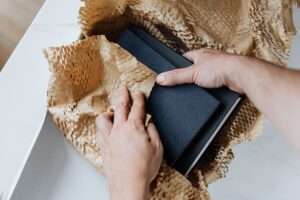
Packing Materials and Kits: Your Comprehensive Guide with Mr Shifter East Anglia Ltd
1. Introduction to Packing Materials
Packing materials are the unsung heroes of any successful move. In this section, we’ll introduce you to the world of packing materials and explain their importance in ensuring a smooth transition to your new home.
2. Why Quality Packing Materials Matter
When it comes to moving, the quality of your packing materials can significantly impact the safety and security of your belongings during transit. In this section, we’ll delve into the importance of investing in high-quality packing materials and why it should be a top priority when planning your move.
1. Protection Against Damage
One of the primary reasons quality packing materials matter is the protection they provide against damage. Whether you’re moving delicate glassware or robust furniture, using sturdy boxes, padding, and wraps ensures that your items are shielded from bumps, jolts, and vibrations during transportation. Fragile items, in particular, benefit immensely from the cushioning effect of high-quality packing materials like bubble wrap.
2. Durability and Strength
Not all moving boxes are created equal. High-quality packing materials, such as sturdy cardboard boxes, are designed to withstand the rigours of transportation. They’re less likely to tear or collapse under the weight of your belongings, reducing the risk of accidents and damage.
3. Secure Stacking
Efficient packing often involves stacking boxes on top of each other. Quality packing materials are more reliable in this regard, as they maintain their shape and structure, allowing for stable and secure stacking. This not only optimises space but also minimises the chances of boxes toppling over.
4. Ease of Handling
Quality packing materials are designed with ease of handling in mind. They often feature ergonomic designs, such as handles on boxes, making them more manageable during loading, unloading, and carrying. This reduces the strain on you and your moving team, making the process smoother and safer.
3. The Mr Shifter East Anglia Ltd Advantage
Learn how choosing Mr. Shifter East Anglia Ltd. as your packing materials provider can significantly impact your moving experience.
4. Types of Packing Materials
When it comes to packing for a move, having the right materials at your disposal is essential for a successful and stress-free transition. In this section, we’ll explore the various types of packing materials available, ranging from essential moving boxes to protective materials like bubble wrap, ensuring your belongings are packed securely and ready for the journey to your new home.
1. Moving Boxes
Moving boxes are the workhorses of any relocation. They come in various sizes, from small to extra-large, and are designed to accommodate different types of items. Some common types of moving boxes include:
- Small Boxes: Ideal for books, small appliances, and heavy items.
- Medium Boxes: Versatile and suitable for kitchenware, toys, and clothing.
- Large Boxes: Perfect for lightweight, bulky items like bedding and linens.
- Extra-Large Boxes: Designed for lightweight, oversized items like pillows and cushions.
2. Wardrobe Boxes
Wardrobe boxes are a game-changer when it comes to moving your clothing. These tall, spacious boxes come with a built-in hanging rod, allowing you to transfer your clothes directly from the closet to the box, keeping them neat and wrinkle-free during the move.
3. Bubble Wrap
Bubble wrap is a protective material that’s indispensable when it comes to safeguarding fragile and delicate items. It consists of small air-filled bubbles that act as a cushion, absorbing shocks and impacts during transportation. It’s particularly effective for items like glassware, ceramics, and electronics.
4. Packing Paper
Packing paper, often made from clean, unprinted newsprint, is a versatile material used for wrapping items individually. It provides a protective layer against scratches and is perfect for delicate items that might be sensitive to ink transfer.

5. Choosing the Right Moving Boxes
Selecting the appropriate moving boxes is a crucial step in the packing process. Not all boxes are created equal, and choosing the right ones for your specific needs can make a significant difference in the safety and efficiency of your move. In this section, we’ll provide insights into how to select the right moving boxes tailored to your packing requirements.
1. Assess Your Belongings
Before you start packing, take stock of your belongings. Identify the types of items you need to pack, their sizes, and their fragility. This assessment will help you determine the quantity and types of moving boxes you’ll require.
2. Consider Box Sizes
Moving boxes come in various sizes, each designed for specific purposes. Consider the following box sizes and their typical uses:
- Small Boxes: Ideal for heavy items like books, canned goods, and small appliances.
- Medium Boxes: Versatile and suitable for kitchenware, toys, and clothing.
- Large Boxes: Perfect for lightweight, bulky items such as bedding, linens, and lampshades.
- Extra-Large Boxes: Designed for lightweight, oversized items like pillows and cushions.
3. Use Specialty Boxes
In addition to standard moving boxes, consider using speciality boxes for specific items. For example:
- Wardrobe Boxes: These tall, spacious boxes come with a built-in hanging rod and are perfect for transporting clothing directly from your closet.
- Dish Barrel Boxes: Designed with extra protection and dividers, they’re ideal for fragile items like dishes, glassware, and fine china.
- TV Boxes: These boxes are custom-sized to fit flat-screen TVs securely.
6. The Versatility of Bubble Wrap
Bubble wrap isn’t just for protecting fragile items. Discover its versatile uses in the packing process.
7. Wardrobe Boxes: Keeping Clothes Neat and Tidy
Wardrobe boxes are a game-changer when it comes to moving your clothing. Learn how to use them effectively.
8. Essential Packing Supplies
Explore the must-have packing supplies that will make your packing process efficient and organised.
9. Creating Your Perfect Moving Kit
Discover how to assemble a customised moving kit that includes all the essential packing materials and supplies you’ll need.
10. Customized Removal Packs
Find out about our specialised removal packs tailored to different moving requirements, whether you’re relocating a small apartment or a large family home.
11. Packing Tips and Tricks
Gain valuable insights into effective packing strategies that will save you time and effort.
12. Efficient Packing: Where to Start
Learn how to kick-start your packing process and tackle it one step at a time for maximum efficiency.
13. Labeling Made Easy with Marker Pens
Marker pens are your best friend when it comes to labelling boxes. Discover how to use them effectively to keep your belongings organised.
14. How to Pack Fragile Items
Delicate items require special care. Get expert tips on packing fragile items safely and securely.
15. Packing Electronics Safely
Electronics are valuable and sensitive. Learn the best practices for packing them to prevent damage during the move.
16. Securing Furniture for Transport
Find out how to prepare and secure your furniture to ensure it arrives at your new location in excellent condition.

17. Loading and Unloading Safely
Learn safe techniques for loading and unloading your belongings, minimising the risk of accidents or injuries.
18. Maximizing Space in Moving Boxes
Discover clever packing strategies to make the most of your moving boxes and minimise the number of boxes needed.
19. Handling Hazardous Materials
Safety is paramount when dealing with hazardous materials. Find out how to identify and handle them appropriately.
20. Disassembling and Reassembling Furniture
If your furniture needs to be disassembled for the move, we’ll guide you through the process and reassembly at your new location.
21. Packing for Different Room Types
Each room in your home may require a unique approach to packing. Learn how to pack efficiently for various room types.
22. Moving with Pets: Special Considerations
Moving with pets can be stressful for them. Discover tips for making the transition as smooth as possible for your furry friends.
23. Eco-Friendly Packing Materials
If you’re environmentally conscious, explore eco-friendly packing materials and their benefits.
24. Storage Solutions for Your Belongings
Find out about storage options for your belongings if you need a temporary or long-term storage solution.
25. Conclusion: Packing materials and kits
As you conclude your journey through our comprehensive guide to packing materials and kits, we hope you feel well-prepared for your upcoming move. Remember that efficient packing is the key to a successful transition to your new home. Contact our experts and high-quality packing materials, whether you’re moving locally or long-distance.