
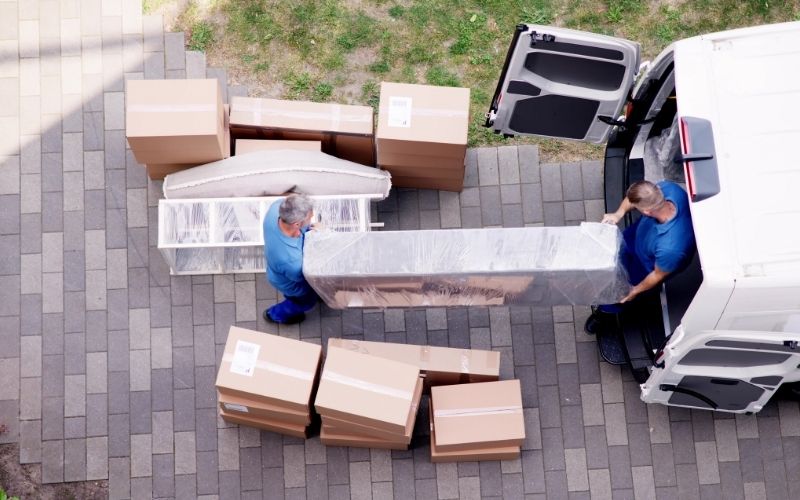
Relocating an office demands careful coordination, practical planning, and strong attention to detail. Businesses rely on desks, chairs, storage units, and IT systems every day, so even minor mistakes during a move can interrupt productivity. Office Furniture Moving Tips for Businesses help organisations protect assets, reduce downtime, and maintain workflow continuity during relocation.
In today’s fast-paced business environment, companies cannot afford long disruptions. A structured moving strategy allows teams to stay organised while ensuring office furniture and equipment reach the new location safely. Whether a small business or a large corporate office, applying proven moving methods creates a smoother transition and reduces operational risk.
This guide explains expert Office Furniture Moving Tips for Businesses with practical steps, real-world strategies, and professional insights to help you relocate efficiently and safely.

Plan Your Office Move Strategically
Strong planning sets the foundation for a successful relocation. Without structure, office moves often lead to confusion, delays, and unnecessary costs.
Build a Clear Relocation Timeline
A structured timeline helps businesses manage every stage of the move. Create a schedule that includes inventory checks, packing phases, IT preparation, transport arrangements, and final setup. Assign deadlines to each task and monitor progress daily. This approach helps teams stay accountable and prevents last-minute disruption during the relocation process.
Assign Responsibilities to Staff or Professionals
Clear role assignment improves efficiency. Allocate tasks such as packing supervision, inventory management, and communication handling to specific team members. Many businesses also rely on professional movers like Mr Shifter East Anglia Ltd to manage logistics, reduce workload, and ensure safe handling of office furniture throughout the move.
Prepare Office Furniture for Safe Transport
Proper preparation protects furniture from damage and ensures smooth transportation.
Disassemble Large Office Items Carefully
Break down large furniture such as desks, meeting tables, and shelving units before moving. Disassembly makes transport easier, reduces the risk of damage, and improves space efficiency inside moving vehicles. Store screws and fittings in labelled bags to avoid confusion during reassembly at the new office.
Use High-Quality Protective Materials
Use durable packing materials to protect office furniture. Apply bubble wrap for delicate surfaces, protective blankets for desks and chairs, and plastic covers for upholstered furniture. These materials reduce scratches, dents, and wear during transit, ensuring that office equipment arrives in excellent condition.
Label and Organise Everything Efficiently
Organisation plays a key role in reducing downtime during office relocation.
Apply a Colour-Coded Labelling System
Colour coding simplifies unpacking and setup. Assign colours to categories such as IT equipment, documents, furniture, and breakroom items. This system allows movers and employees to identify items quickly and place them in the correct areas upon arrival.
Include Clear Descriptions on Every Box
Each box should display the department name, contents, and destination location. Clear labelling eliminates confusion during unpacking and speeds up office setup. It also helps employees locate essential equipment without searching through multiple boxes.
Handle IT Equipment with Extra Care
Modern businesses depend heavily on technology, making IT relocation a top priority.
Back Up All Digital Data Before Moving
Before disconnecting systems, back up all business data securely. Use both cloud storage and external drives for maximum protection. This ensures critical information remains safe even if unexpected issues occur during transport.
Protect and Transport Devices Safely
Wrap computers, servers, and monitors using anti-static materials. Label all cables before disconnection to simplify reconnection later. Transport IT equipment separately from heavy furniture to reduce vibration and risk of damage during transit.

Follow Practical Moving Day Tips
Small actions on moving day can significantly improve efficiency and reduce stress.
Keep Essential Items Accessible
Maintain access to daily-use items such as stationery, chargers, and essential documents. This ensures employees can continue working during transition periods without unnecessary interruptions.
Use Proper Lifting and Handling Techniques
Avoid injury and damage by using safe lifting methods. Keep heavy items close to the body and avoid overloading boxes. When possible, assign lifting tasks to trained professionals who understand safe handling techniques.
Step-by-Step Office Moving Process
A structured process ensures consistency and reduces mistakes during relocation.
Step 1: Complete a Full Inventory
Create a detailed list of all office furniture, equipment, and supplies. This helps track items throughout the move and ensures nothing gets lost or misplaced.
Step 2: Assign Teams and Roles
Divide responsibilities among staff or supervisors. Clear delegation improves coordination and ensures each part of the move runs smoothly.
Step 3: Pack in Logical Order
Start with non-essential items such as storage supplies or archived documents. Gradually move toward daily-use equipment to maintain business continuity for as long as possible.
Step 4: Transport with Care
Use suitable vehicles designed for heavy and fragile loads. Secure furniture properly to prevent movement and damage during transit.
Step 5: Set Up the New Office Efficiently
Arrange furniture according to the planned layout before employees return. This ensures a smooth workflow and reduces downtime after relocation.
Reduce Business Downtime Effectively
Minimising downtime remains the primary goal of any office relocation strategy.
Schedule Moves Outside Working Hours
Plan relocation activities during evenings, weekends, or off-peak periods. This approach allows businesses to continue operations with minimal interruption and ensures smoother transitions between offices.
Maintain Remote Work Capability
Enable employees to work remotely during the move. Cloud systems, virtual communication tools, and remote desktops help maintain productivity even when physical offices are unavailable.
Why Professional Movers Improve Office Relocation
Expert support significantly enhances efficiency and safety during office moves.
Reduce Risk of Damage and Delays
Professional movers understand how to handle office furniture, fragile equipment, and IT systems safely. Their experience reduces risk and ensures the timely completion of relocation tasks without unnecessary delays.
Improve Efficiency and Organisation
Specialist movers streamline packing, transport, and setup processes. Their structured approach allows businesses to focus on operations while experts manage physical relocation tasks.
Why Choose Mr Shifter East Anglia Ltd
Selecting the right moving partner ensures a smooth and stress-free office relocation.
Experienced Commercial Moving Specialists
Mr Shifter East Anglia Ltd provides professional office relocation services tailored to business needs. Their team handles office furniture, IT equipment, and sensitive materials with care, ensuring safe transport and efficient execution.
Reliable and Structured Relocation Support
The company focuses on reducing downtime through careful planning and organised execution. From packing to final setup, they deliver consistent support that helps businesses resume operations quickly and efficiently.

Final Thoughts
Office relocation requires detailed planning, careful handling, and strong coordination. Applying proven Office Furniture Moving Tips for Businesses helps organisations reduce risk, maintain productivity, and protect valuable assets throughout the process.
By preparing in advance, organising furniture correctly, protecting IT systems, and working with experienced professionals like Mr Shifter East Anglia Ltd, businesses can complete relocations smoothly while minimising disruption and ensuring operational continuity.
Frequently Asked Questions (FAQs)
1. What is the best way to prepare for an office furniture move?
Start by creating a detailed inventory of all furniture and equipment. Assign responsibilities to staff, prepare packing materials, and plan a clear timeline. Professional movers can also help manage logistics and reduce stress during the relocation process.
2. How do I protect office furniture during relocation?
Use protective blankets, bubble wrap, and plastic covers for furniture. Disassemble large items and label each part clearly. Avoid overloading boxes and ensure fragile items receive extra padding for safe transport.
3. How long does an office relocation usually take?
The duration depends on office size and complexity. Small offices may move within one or two days, while larger organisations may require several days or weeks, including setup and IT configuration.
4. Should I hire professionals for office furniture moving?
Yes. Professional movers reduce risk, save time, and improve efficiency. They handle heavy and sensitive items safely, ensuring smooth transport and minimal disruption to business operations.
5. How can I reduce downtime during office relocation?
Plan the move outside business hours, maintain remote work options, and use clear scheduling. Professional movers also help streamline the process, allowing faster setup and quicker return to normal operations.
Call to Action
Contact Mr Shifter East Anglia Ltd now to receive a free, no-obligation quote.
 Call us: Office: 01553 768966
 Email us: mrshiftereastanglia@gmail.com
Choose the best services with Mr Shifter East Anglia Ltd in different Locations