

Moving a piano is no small task, and at Mr Shifter East Anglia Ltd, we understand the unique challenges it presents. Whether you’re relocating a grand piano, an upright piano, or a digital piano, ensuring that your cherished instrument arrives safely at its new home requires careful planning, the right tools, and a solid understanding of how to handle such a delicate piece of equipment. In this guide, we’ll walk you through everything you need to know about moving a piano, from preparation to transportation, and finally, setting it up in its new location.
Moving a Piano: The Ultimate Guide
Understanding the Weight and Structure of a Piano
Pianos are not only heavy but also intricately designed, making them challenging to move. An average upright piano can weigh between 300 and 500 kilograms, while grand pianos can weigh as much as 600 kilograms or more. The distribution of this weight is uneven, with most of it concentrated in the piano’s back, where the cast iron frame is located. This uneven weight distribution requires careful handling to prevent tipping and damage.

Measuring Doorways and Pathways
Before you even begin to move a piano, it’s essential to measure all doorways, staircases, and pathways that the piano will need to pass through. Ensuring that the piano can fit through these spaces will save you from potential headaches on moving days. Additionally, removing any obstacles such as furniture, rugs, or other items will provide a clear path for moving the piano, reducing the risk of accidents.
Gathering the Right Equipment
Moving a piano safely requires specialised equipment. A sturdy piano dolly, moving straps, and heavy-duty blankets are all essential tools for the job. The dolly allows you to roll the piano rather than lift it, which is crucial for preventing injury. Moving straps provide extra support, making it easier to control the piano’s movement, while blankets protect the piano from scratches and dents.
Assembling a Team for the Move
Moving a piano is not a one-person job. At least three to four strong individuals are typically required to handle the weight and size of the piano safely. Each person should have a specific role, whether it’s guiding the piano through doorways, lifting it onto the dolly, or securing it during transport. Clear communication among team members is vital to ensure a smooth and safe move.
Protecting the Piano with Proper Padding
Padding is essential to protect your piano from scratches, dents, and other damage during the move. Heavy-duty moving blankets should be used to cover the entire piano, including the legs and pedals. Secure the blankets with tape or moving straps to ensure they stay in place during transport. Extra padding may be needed for corners and edges, where damage is most likely to occur.
Detaching Parts for Easier Handling
For larger pianos, such as grand pianos, it’s often necessary to detach certain parts to make the move easier. The legs, pedals, and lyre (the pedal assembly) can be removed to reduce the piano’s size and weight. Be sure to label each part and store all screws and bolts in a clearly marked bag. This will make reassembly at the new location much more straightforward.
Securing the Piano on the Dolly
Once the piano is padded and parts are detached, it’s time to secure it onto the piano dolly. Tilt the piano slightly to one side and slide the dolly underneath, ensuring it is centred to maintain balance. Use moving straps to secure the piano to the dolly, making sure it is tightly fastened to prevent any movement during transport.
Navigating Stairs Safely
Moving a piano up or down stairs is one of the most challenging parts of the process. It requires careful planning and coordination. The piano should be moved one step at a time, with team members positioned on both ends to control the weight. A piano board can be used to slide the piano over the stairs, reducing the risk of dropping it. Always move slowly and communicate with your team to ensure everyone’s safety.
Loading the Piano onto a Vehicle
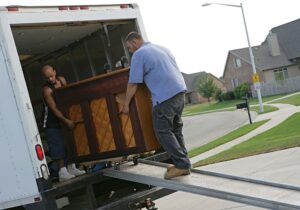
When loading the piano onto a moving vehicle, it’s crucial to ensure that the ramp is sturdy and secure. The piano should be pushed up the ramp slowly and steadily, with team members positioned on all sides to guide it. Once inside the vehicle, the piano must be secured with heavy-duty straps to prevent it from shifting during transit. Placing the piano against a wall will further stabilise it.
Transporting the Piano with Care
During transportation, the vehicle should be driven carefully to avoid sudden stops, sharp turns, or rough roads that could jostle the piano. The piano’s position inside the vehicle should be checked periodically to ensure that it remains secure. It’s advisable to take the most direct route to your destination, avoiding areas with heavy traffic or roadwork that could cause delays.
Unloading the Piano Safely
Upon arrival at the new location, the process of unloading the piano is just as critical as loading it. The piano should be moved down the ramp slowly, with team members guiding it from all sides. Once on the ground, the piano should be placed on the dolly and moved to its final position with the same care used during loading. Ensure that doorways and pathways are clear before moving the piano inside.
Reassembling the Piano
If any parts were removed during the move, they should be reattached before the piano is placed in its final position. Begin by reattaching the legs, followed by the pedals and lyre. Make sure all screws and bolts are securely tightened. Once reassembled, the piano should be placed in its new location and checked for stability.
Positioning the Piano in Its New Home
The piano’s placement in its new home is crucial for both its sound and longevity. Avoid placing the piano near windows, radiators, or air vents, as extreme temperatures and humidity can damage the instrument. Ideally, the piano should be positioned against an interior wall to protect it from temperature fluctuations. Allow some space between the wall and the piano to ensure proper air circulation.
Checking for Damage
After the piano has been moved and reassembled, it’s essential to check for any signs of damage. Inspect the exterior for scratches, dents, or other visible marks. Additionally, play a few notes to ensure that the piano is still in tune and that all keys and pedals are functioning correctly. If you notice any issues, it may be necessary to have the piano serviced by a professional.
Tuning the Piano After the Move
It’s common for a piano to go out of tune after being moved, especially if it has travelled a long distance. The vibrations and movement during transport can affect the piano’s internal components. It’s advisable to have the piano tuned by a professional once it has settled in its new location. This will ensure that it sounds its best and continues to perform well.
Caring for the Piano Post-Move
Proper care of your piano after the move is essential for maintaining its condition. Regular dusting, tuning, and occasional servicing will keep it in optimal shape. Avoid placing heavy objects on the piano, as this can affect its soundboard and overall structure. Additionally, monitor the room’s humidity levels to prevent warping or other damage to the wood.
Hiring Professional Piano Movers
While moving a piano yourself is possible, hiring professional piano movers can provide peace of mind. Professionals have the experience, tools, and knowledge to move your piano safely and efficiently. They understand the nuances of handling such a heavy and delicate instrument and can navigate the challenges of staircases, tight spaces, and transportation with ease.
Understanding the Costs Involved
Moving a piano can be costly, especially if you hire professionals. The cost will vary depending on factors such as the type of piano, the distance of the move, and any additional services required, such as disassembly or reassembly. While it may be tempting to save money by moving the piano yourself, the potential costs of damage or injury can far outweigh the savings.
Preparing Your Home for the Move
Before the piano movers arrive, it’s important to prepare your home for the move. This includes clearing pathways, protecting floors, and ensuring that the moving truck has easy access to your home. Taking these steps will help the movers do their job more efficiently and reduce the risk of damage to your piano or property.
Communicating with the Movers
Clear communication with your piano movers is key to a successful move. Be sure to inform them of any potential challenges, such as narrow doorways or staircases. Discuss the route they will take and any specific instructions you have for handling the piano. The more information you provide, the better prepared they will be to move your piano safely.
Ensuring the Piano’s Safety During the Move
Safety is the top priority when moving a piano. This includes the safety of the movers, the piano, and your property. Make sure that everyone involved in the move is aware of the plan and their role in it. Use all necessary safety equipment, such as moving straps and dollies, and avoid rushing the process. A careful and deliberate approach will help prevent accidents.
Considering Insurance for the Move
If you’re hiring professional movers, it’s wise to consider insurance for your piano during the move. Most reputable moving companies offer insurance options that cover potential damage to your piano. Even if you’re moving the piano yourself, checking with your home insurance provider to see if your policy covers the move is advisable. Having insurance in place can provide peace of mind and protect you from unexpected expenses.
Re-evaluating the Piano’s Condition
After the piano has been in its new location for a few weeks, it’s a good idea to re-evaluate its condition. Check for any signs of settling, such as uneven legs or a shift in the piano’s position. Additionally, play a few notes to ensure that the piano remains in tune. If you notice any issues, contact a professional for an assessment.

Enjoying Your Piano in Its New Home
Finally, once your piano has been moved, reassembled, and tuned, it’s time to enjoy it in its new home. Whether you’re a professional musician or an enthusiastic hobbyist, having your piano in a new space can be an exciting experience. Take some time to familiarise yourself with its new surroundings and appreciate the effort that went into ensuring its safe relocation.
Conclusion
Moving a piano is a complex task that requires careful planning, the right equipment, and a skilled team. Mr Shifter East Anglia Ltd is here to ensure that your piano move is handled with the utmost care and precision. By following the steps outlined in this guide, you can help ensure that your piano arrives safely at its new home and continues to bring joy for years to come