
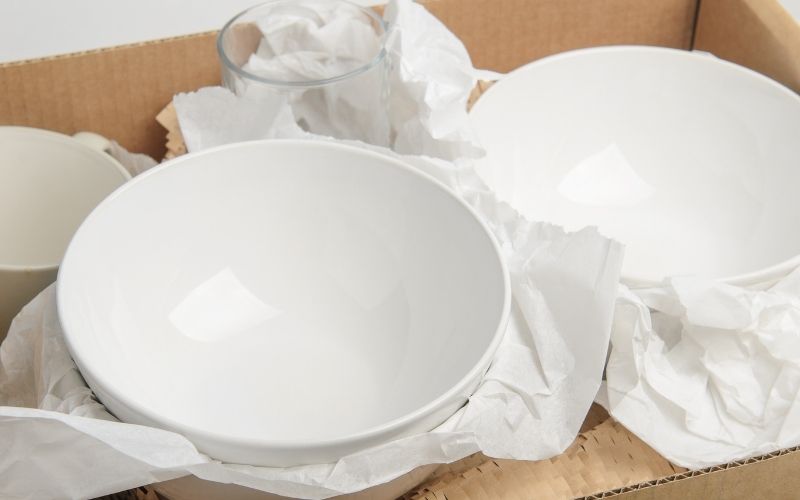
How to Pack Fragile Items for Moving: The Complete Safe Packing Guide
Moving home can feel exciting, but fragile belongings often create the most stress during relocation. Broken dishes, cracked mirrors, chipped ornaments, and damaged electronics can quickly turn a positive moving experience into a frustrating one. Learning how to pack fragile items for moving properly helps protect your valuable possessions and reduces the risk of expensive damage.
Many homeowners underestimate how important correct packing methods are until something breaks during transport. Fragile belongings need far more than a simple cardboard box and a few sheets of newspaper. Careful preparation, strong materials, and organised packing techniques all play a major role in keeping delicate items safe throughout the moving process.
At Mr Shifter East Anglia Ltd, we understand how valuable personal belongings can be. Over years of helping families move home safely, we have learned that proper packing remains one of the most important parts of a successful relocation. This complete guide explains how to pack fragile items for moving safely, efficiently, and with far less stress.
Why Fragile Items Need Special Attention During a Move
Fragile belongings can break easily during loading, transportation, and unloading if they are not packed properly. Sudden movement inside a moving van, pressure from heavier boxes, or poor wrapping methods often cause damage.
Items that usually require extra protection include:
- Glassware
- Plates and dishes
- Mirrors
- Artwork
- Televisions
- Monitors
- Ceramics
- Decorative ornaments
- Antiques
- Electronics
Understanding how to pack fragile items for moving correctly helps protect both sentimental and expensive belongings from avoidable damage.

Start by Gathering Quality Packing Materials
Using strong packing materials makes a huge difference during relocation. Cheap boxes or weak tape often fail under pressure, especially when carrying heavier fragile items.
Essential packing supplies include:
- Bubble wrap
- Packing paper
- Strong cardboard boxes
- Double-walled boxes
- Foam peanuts
- Packing tape
- Stretch wrap
- Corner protectors
- Labels and marker pens
- Furniture blankets
High-quality materials provide far better protection and help keep belongings secure throughout transportation.
Choose the Right Box Size
Many people make the mistake of placing fragile items inside oversized boxes. Large boxes create too much empty space, allowing movement during transport.
Small and medium boxes usually work best for delicate belongings because they:
- Reduce shifting during transport
- Stay easier to lift safely
- Lower the risk of collapse
- Improve organisation
The right box size plays an important role in how to pack fragile items for moving safely and efficiently.
Step-by-Step Guide to Packing Fragile Items
Step 1 – Cushion the Bottom of Every Box
Before placing anything inside a box, create a protective layer at the bottom.
Good cushioning materials include:
- Crumpled packing paper
- Foam peanuts
- Towels
- Soft blankets
This protective layer absorbs impact while boxes are lifted, stacked, and transported.
Step 2 – Wrap Every Item Individually
Every fragile item should receive separate wrapping. Never wrap several delicate objects together because friction can cause cracks and scratches during movement.
Bubble wrap works especially well for:
- Glassware
- Electronics
- Ceramics
- Decorative items
Secure wrapping gently with tape without applying excessive pressure.
Step 3 – Fill Empty Spaces Properly
Empty spaces inside boxes allow movement during transport. Movement often leads directly to breakages.
Fill gaps using:
- Packing paper
- Towels
- Foam peanuts
- Soft clothing
Keeping belongings tightly secured helps protect fragile items throughout the journey.
Step 4 – Place Heavier Items at the Bottom
Weight distribution matters when packing delicate belongings.
For example:
- Plates should sit at the bottom
- Bowls above plates
- Glasses near the top
Balanced packing reduces pressure and keeps fragile belongings safer during transportation.
Step 5 – Seal and Label Boxes Clearly
Strong packing tape should seal every box securely.
Clearly label boxes with:
- “FRAGILE”
- “HANDLE WITH CARE”
- “THIS SIDE UP”
Visible warnings encourage careful handling during loading and unloading.
How to Pack Glassware Safely
Glassware often breaks because people pack it too quickly or without enough protection.
For safer glass packing:
- Wrap each glass separately
- Use bubble wrap or packing paper
- Place glasses upright inside boxes
- Add cushioning around edges
- Avoid overcrowding boxes
Dividers also provide excellent protection for delicate glasses and mugs.
Learning how to pack fragile items for moving often begins with mastering proper glassware protection.
Packing Plates and Dishes Properly
Kitchen items remain some of the most commonly damaged belongings during house moves.
To protect plates and dishes:
- Wrap every plate individually
- Place plates vertically instead of flat
- Add padding between items
- Use dish-pack boxes where possible
Vertical positioning distributes pressure more evenly and lowers the risk of cracking during transport.
Avoid overfilling kitchen boxes because excessive weight makes lifting more dangerous.
How to Pack Mirrors and Artwork
Mirrors, picture frames, and artwork require extra care because glass surfaces break easily.
Protective materials include:
- Bubble wrap
- Flat cardboard sheets
- Foam corners
- Furniture blankets
Many professional movers place an “X” shape of tape across glass surfaces to reduce shattering risks if accidental impact occurs.
Special picture boxes provide additional protection for valuable artwork and large mirrors.
Packing Electronics Safely
Modern homes contain expensive electronic equipment that requires careful handling during relocation.
Whenever possible:
- Use original manufacturer packaging
- Wrap screens carefully
- Label all cables
- Photograph cable arrangements before disconnecting
- Avoid stacking heavy items on electronics
Moisture protection also matters. Stretch wrap or plastic covers can help protect electronics during transportation.
Tips for Packing Fragile Belongings Efficiently
Use Household Items as Extra Padding
Soft household materials can provide excellent protection while reducing packing costs.
Useful examples include:
- Towels
- Blankets
- Jumpers
- Bedding
- Cushions
This approach also saves valuable packing space.

Avoid Overpacking Boxes
Heavy boxes become difficult to lift safely and may collapse under pressure.
Keep box weights manageable to improve both safety and protection.
Pack Slowly and Carefully
Rushing the process often causes mistakes. Careful packing takes time but significantly reduces damage risks later.
Allow enough time to organise properly before moving day arrives.
Prepare a Separate Essentials Box
Some fragile belongings should stay separate from general moving boxes.
Examples include:
- Important electronics
- Valuable jewellery
- Family heirlooms
- Essential kitchen items
Keeping these items accessible improves safety and convenience.
Common Packing Mistakes to Avoid
Many fragile belongings become damaged because of avoidable mistakes.
Common packing errors include:
- Using weak boxes
- Forgetting labels
- Leaving empty gaps inside boxes
- Wrapping items too loosely
- Mixing heavy and delicate items together
- Overloading cartons
Understanding these mistakes helps improve your overall approach to how to pack fragile items for moving safely.
Why Professional Packing Services Help
Professional movers understand the safest methods for handling delicate belongings. Experienced removal teams use quality materials and organised systems designed to protect fragile items properly.
Professional packing services offer:
- Faster packing
- Better organisation
- Reduced damage risks
- High-quality protective materials
- Less stress during moving
This support becomes especially useful for large homes, antiques, artwork, and expensive electronics.
At Mr Shifter East Anglia Ltd, we provide careful handling and organised packing services designed to protect valuable belongings throughout every stage of relocation.
Safe Loading Matters Too
Even perfectly packed boxes can become damaged if loaded incorrectly inside the moving vehicle.
Professional movers carefully organise loading by:
- Placing heavier items at the bottom
- Securing furniture properly
- Preventing box movement
- Keeping fragile items upright
Careful transportation plays a major role in preventing accidental breakages during relocation.
Why Choose Mr Shifter East Anglia Ltd
Choosing the right removals company can make moving far less stressful, especially when transporting delicate belongings.
Customers choose Mr Shifter East Anglia Ltd because we provide:
- Experienced moving professionals
- Careful fragile-item handling
- Reliable packing support
- Friendly customer service
- Organised relocation planning
- Safe transportation methods
We understand that every move involves valuable possessions and personal memories. Our goal is to help customers relocate safely, efficiently, and with complete confidence.
Extra Safety Tips for Fragile Items
Additional precautions can improve protection even further.
Helpful safety tips include:
- Avoid storing fragile boxes underneath heavy furniture
- Keep valuable items away from sharp objects
- Use climate-controlled storage for delicate antiques
- Carry irreplaceable valuables personally where possible
- Check box bottoms carefully before lifting
Small details often make a huge difference during house moves.

Final Thoughts
Learning how to pack fragile items for moving properly helps protect your belongings, reduce stress, and improve organisation throughout the relocation process. Careful preparation, strong materials, and smart packing techniques all work together to prevent unnecessary damage.
From kitchen glassware and mirrors to electronics and antiques, every fragile item deserves proper protection during transportation. Taking extra time to wrap, cushion, and label belongings correctly can save money, avoid frustration, and help everything arrive safely at your new home.
At Mr Shifter East Anglia Ltd, we understand how important delicate possessions are to every customer. Whether you need professional packing assistance or full removals support, our experienced team works hard to make every move smoother, safer, and more organised from beginning to end.
FAQ
1. What is the best material for packing fragile items?
Bubble wrap, packing paper, foam peanuts, and double-walled cardboard boxes provide excellent protection for fragile belongings. Bubble wrap absorbs impact well, while packing paper prevents scratches during transportation. Strong materials greatly reduce damage risks and help keep delicate items safer throughout the moving process.
2. How do I pack plates without breaking them?
Wrap every plate individually using packing paper or bubble wrap. Store plates vertically rather than stacking them flat because vertical positioning distributes pressure more evenly. Add cushioning between plates and avoid overloading boxes with excessive weight during transportation.
3. Should fragile moving boxes be labelled clearly?
Yes, clear labels are extremely important during relocation. Writing “FRAGILE” and “HANDLE WITH CARE” on multiple sides of the box encourages safer handling. Proper labels also improve organisation and help movers place delicate items correctly during loading and unloading.
4. Can towels and clothing protect fragile belongings?
Yes, towels, blankets, bedding, and soft clothing can provide excellent cushioning for fragile items. Many homeowners use household fabrics to fill empty spaces inside boxes and reduce movement during transportation. However, highly delicate or valuable items still benefit from professional packing materials like bubble wrap.
5. Is professional packing worth using for fragile items?
Professional packing services can save time, reduce stress, and lower the risk of damage during relocation. Experienced movers understand how to protect fragile belongings using proper materials and safe handling techniques. This support proves especially useful for antiques, artwork, electronics, mirrors, and expensive household items.
Call to Action
Contact Mr Shifter East Anglia Ltd now to receive a free, no-obligation quote.
 Call us: Office: 01553 768966
 Email us: mrshiftereastanglia@gmail.com
Choose the best services with Mr Shifter East Anglia Ltd in different Locations