
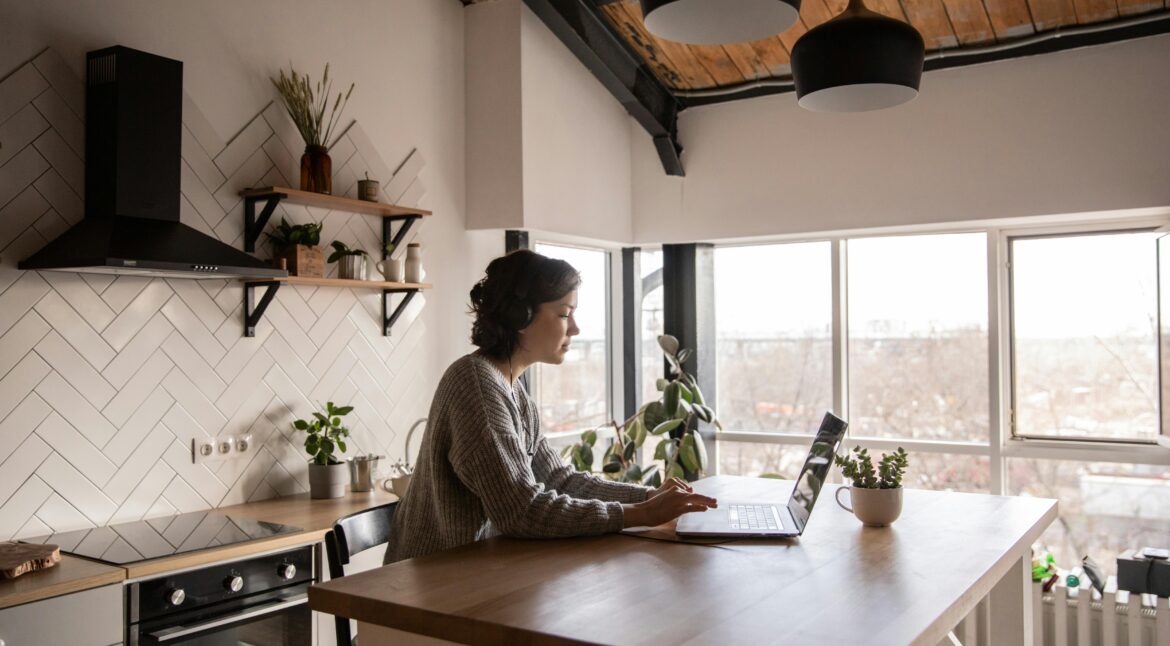
Welcome to Mr Shifter East Anglia Ltd! With the rise of remote work, having a dedicated home office has become increasingly important. Clearing space for a home office can seem like a daunting task, but with a bit of planning and creativity, you can transform any corner of your home into a productive workspace. Let’s explore some practical steps and ideas to help you clear space for your home office.

How to Clear Space for a Home Office
Assess Your Space
Begin by assessing the available space in your home. Identify potential areas that could be transformed into a home office, such as a spare room, a corner of the living room, or even a large closet. Consider the size, lighting, and noise levels of each space to determine the best location for your office. This initial assessment will guide your planning process.
Declutter Ruthlessly
Decluttering is a crucial step in creating space for a home office. Go through the selected area and remove any unnecessary items. Sort belongings into categories: keep, donate, recycle, or discard. Be ruthless in your decluttering to ensure you free up as much space as possible. A clutter-free environment will make your home office more functional and inviting.
Utilise Vertical Space
Maximise your available space by utilising vertical storage solutions. Install shelves, pegboards, or wall-mounted organisers to keep supplies and equipment off the floor. Vertical storage not only saves space but also keeps your workspace tidy and organised. This approach helps you make the most of a small area.
Repurpose Existing Furniture
Consider repurposing existing furniture to create your home office. A dining table, vanity, or console table can be transformed into a desk with minimal effort. Using furniture you already own saves money and resources. Look around your home for pieces that can be adapted for your new workspace.
Invest in Multifunctional Furniture
Invest in multifunctional furniture to maximise space efficiency. Desks with built-in storage, fold-out tables, or wall-mounted desks are great options. These pieces provide a functional workspace while minimising their footprint. Multifunctional furniture is ideal for small spaces and helps keep your office organised.
Create a Mobile Office
If space is extremely limited, consider creating a mobile office. Use a rolling cart or mobile desk that can be easily moved when not in use. This flexibility allows you to set up your workspace anywhere in your home. A mobile office is a practical solution for those who need a temporary or versatile workspace.
Use Room Dividers
Room dividers can help create a dedicated office area without the need for permanent walls. Screens, curtains, or bookshelves can effectively partition your space. Room dividers provide privacy and help delineate your workspace from the rest of your home. This separation can enhance focus and productivity.
Optimise Lighting
Good lighting is essential for a productive home office. Choose a space with plenty of natural light or invest in quality artificial lighting. Task lighting, such as desk lamps, can provide focused illumination for work tasks. Optimising lighting ensures your workspace is comfortable and reduces eye strain.
Manage Cables
Cable management is crucial in maintaining an organised workspace. Use cable ties, clips, or cable boxes to keep cords tidy and out of the way. Label each cable to easily identify them when needed. Managing cables not only improves the appearance of your home office but also prevents accidents and clutter.
Incorporate Storage Solutions
Incorporate effective storage solutions to keep your home office organised. Use filing cabinets, storage boxes, or baskets to store documents and supplies. Label each container for easy access and organisation. Adequate storage helps maintain a clutter-free and efficient workspace.
Choose the Right Chair
Select a comfortable and ergonomic chair for your home office. An adjustable chair with good lumbar support will help prevent back pain and improve posture. Investing in a quality chair is essential for long-term comfort and productivity. Your chair should support you during long working hours.
Personalise Your Space
Personalising your home office makes it more enjoyable and motivating. Add personal touches such as photos, plants, or artwork. Choose decor that reflects your style and inspires you. Personalisation makes your workspace feel more like your own and can boost creativity and happiness.
Keep Frequently Used Items Accessible
Ensure frequently used items are within easy reach. Place your computer, phone, and essential supplies in convenient locations on your desk. This setup reduces the need to constantly move around and disrupt your workflow. Keeping essential items accessible improves efficiency and comfort.
Create a Filing System
Develop a filing system to manage documents and paperwork effectively. Use folders, binders, or digital tools to organise and categorise your files. Label each section clearly for easy retrieval. A well-organised filing system prevents clutter and keeps important documents at your fingertips.

Consider Noise Levels
Consider the noise levels in your chosen workspace. Select a quiet area or use noise-cancelling headphones to minimise distractions. Adding rugs, curtains, or acoustic panels can help absorb sound and create a quieter environment. Managing noise levels ensures a more focused and productive workspace.
Plan Your Layout
Plan the layout of your home office carefully. Arrange furniture and equipment in a way that maximises space and accessibility. Consider the placement of your desk, chair, and storage solutions to create a functional and comfortable workflow. A well-planned layout enhances efficiency and reduces stress.
Use Colour Wisely
Choose colours that promote focus and calmness in your home office. Soft, neutral tones can create a serene environment, while pops of colour can add energy and interest. Avoid overly bright or distracting colours. Using colour wisely can influence your mood and productivity.
Incorporate Greenery
Adding plants to your home office can improve air quality and create a more pleasant environment. Choose low-maintenance plants such as succulents or peace lilies. Greenery can reduce stress and increase productivity. Incorporating plants into your workspace adds a touch of nature and freshness.
Set Boundaries
Set boundaries to separate your work area from personal spaces. Communicate with family members or housemates about your work hours and the importance of minimising interruptions. Setting clear boundaries helps maintain a balance between work and home life. This practice is essential for productivity and mental well-being.
Make Use of Natural Light
Position your desk near a window to take advantage of natural light. Natural light can improve mood and reduce eye strain. If possible, arrange your workspace to face outside views. Utilising natural light creates a more inviting and healthy work environment.
Stay Organised
Regularly declutter and organise your home office to maintain a productive space. Set aside time each week to tidy up and remove unnecessary items. Staying organised prevents clutter from building up and ensures your workspace remains efficient. Consistent organisation is key to a functional home office.
Use Wall Space
Maximise wall space by installing shelves, hooks, or bulletin boards. These additions provide storage and organisation options without taking up floor space. Wall space can be used to display calendars, notes, or inspirational quotes. Effective use of wall space enhances your office’s functionality and aesthetics.
Create a Routine: How to clear space for a home office
Establish a daily routine to help structure your workday. Set specific work hours, take regular breaks, and create a consistent schedule. A routine helps separate work time from personal time and improves productivity. Creating a routine ensures you stay focused and organised.
Evaluate and Adjust
Regularly evaluate your home office setup and make adjustments as needed. Consider what’s working well and what could be improved. Small changes can make a big difference in your productivity and comfort. Continuously improving your workspace ensures it meets your evolving needs.

Embrace Minimalism
Adopt a minimalist approach to your home office by keeping only essential items. A clutter-free space can enhance focus and reduce stress. Embrace simplicity in your design and organisation. Minimalism creates a clean and efficient workspace.
Conclusion: How to clear space for a home office
We hope these tips help you create a functional and inviting home office. At Mr Shifter East Anglia Ltd, we understand the importance of having a dedicated workspace. Clearing space for a home office doesn’t have to be overwhelming. With a bit of creativity and organisation, you can design a productive and personalised environment. Happy working!