
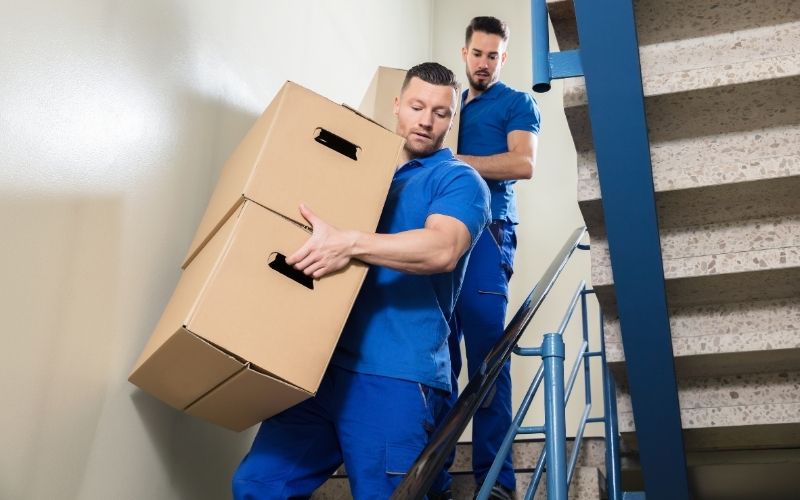
Moving house can feel overwhelming, especially when you begin packing your belongings. One of the most common questions people ask during this process is how to estimate the number of moving boxes required. Having too few boxes can slow down your packing progress and create unnecessary stress, while purchasing too many may lead to wasted money and storage space. How do I figure out how many moving boxes I need? Get simple moving tips from Mr Shifter East Anglia Ltd to plan boxes and move home.
Understanding how to calculate the number of boxes you need can make your move far more organised and efficient. By planning ahead and using a simple estimation method, you can pack your belongings safely and avoid last-minute surprises.
This guide explains practical ways to estimate your box requirements, along with useful packing tips from the experienced team at Mr Shifter East Anglia Ltd.
Why Estimating Moving Boxes Matters
Planning your packing materials in advance helps make the entire moving process smoother. When you know approximately how many boxes you will need, it becomes easier to organise your time, purchase the correct materials, and pack efficiently.
Without proper planning, many people find themselves running out of boxes midway through packing. This often leads to rushed packing, which increases the risk of damage to fragile items.
Estimating your boxes early also helps you:
-
Create a clear packing schedule
-
Organise items room by room
-
Budget for packing supplies
-
Avoid last-minute stress before moving day
Good preparation ensures that your belongings are packed safely and transported efficiently.

Average Number of Boxes Per Home Size
Although every household is different, most moves follow similar patterns. These general estimates can help provide a useful starting point when planning your packing supplies.
Typical estimates include:
-
Studio or small flat – 10 to 20 boxes
-
One-bedroom home – 20 to 40 boxes
-
Two-bedroom home – 40 to 60 boxes
-
Three-bedroom home – 60 to 100 boxes
-
Four-bedroom home – 100 or more boxes
These numbers represent an average household with standard furniture and personal belongings. Homes with extensive storage spaces or large collections may require additional boxes.
Factors That Affect the Number of Boxes You Need
Several factors can influence the number of packing boxes required for your move. Understanding these factors helps you create a more accurate estimate.
Amount of Belongings
The most obvious factor is the number of possessions in your home. Families who have lived in the same property for many years often accumulate more items than those who move frequently.
Books, decorative items, clothing, and kitchen equipment can quickly fill many boxes.
Storage Areas
Storage spaces often contain items that people forget to include in their packing estimates. These areas may include:
-
Lofts or attics
-
Garages
-
Garden sheds
-
Storage cupboards
These locations frequently contain seasonal decorations, tools, sports equipment, and rarely used belongings that increase the number of boxes required.
Packing Style
Some people prefer to pack carefully and organise items by category, which may require more boxes. Others may pack more compactly by combining items in fewer boxes.
Using extra boxes can actually be beneficial because it prevents boxes from becoming too heavy.
Room-by-Room Packing Estimates
Another practical method for estimating boxes involves calculating the number required for each room in your home.
Typical estimates include:
-
Kitchen – 10 to 15 boxes
-
Living room – 8 to 12 boxes
-
Bedroom – 6 to 10 boxes
-
Bathroom – 3 to 5 boxes
-
Garage or loft – 10 to 20 boxes
By adding these numbers together, you can develop a clearer picture of the total number of boxes required for your move.
For example, a two-bedroom home with a kitchen, living room, bathroom, and loft may require around 50 to 70 boxes, depending on how many items are stored in each space.
Step-by-Step Method to Estimate Moving Boxes
Estimating your box requirements becomes easier when you follow a structured process.
Step 1: Walk Through Your Home
Begin by walking through each room in your home. Look carefully at furniture, shelves, cupboards, and storage spaces.
Make notes about:
-
Large items that need special packing
-
Shelves filled with books or decorations
-
Cupboards containing kitchenware or appliances
This initial overview helps you understand the overall size of your move.
Step 2: Count Storage Areas
Many people forget to include hidden storage areas in their calculations. Garages, attics, basements, and cupboards often contain more belongings than expected.
Take time to inspect these spaces and include them in your estimate. This step prevents unpleasant surprises later when packing begins.
Step 3: Group Items by Category
Grouping your belongings into categories helps determine how many boxes you will need and what type of boxes work best.
Common categories include:
-
Books
-
Clothing
-
Electronics
-
Decorative items
-
Office supplies
By organising items this way, you can estimate both the quantity and type of boxes required.
Step 4: Choose Different Box Sizes
Using a variety of box sizes is one of the most effective packing strategies.
Different sizes serve different purposes:
-
Small boxes – best for heavy items such as books or tools
-
Medium boxes – ideal for household goods and kitchen items
-
Large boxes – suitable for lightweight items like bedding and pillows
Using the correct box size prevents boxes from becoming too heavy and protects fragile belongings.
Step 5: Add Extra Boxes
Even the most careful estimates can fall slightly short. Unexpected items often appear during the packing process.
It is wise to add around 10 to 15 percent extra boxes to your estimate. This buffer ensures you always have enough packing materials during the final days before your move.
Types of Moving Boxes You May Need
Choosing the right type of box is just as important as choosing the right number.
Common moving box types include:
Small Boxes
These are ideal for heavy items such as books, canned food, tools, or small appliances.
Medium Boxes
Medium boxes are versatile and can hold many household items, including kitchen utensils, toys, and decorations.
Large Boxes
Large boxes work well for lightweight belongings like blankets, bedding, or pillows.
Wardrobe Boxes
Wardrobe boxes allow clothing to remain on hangers during transport, reducing wrinkles and saving packing time.
Dish Boxes
Dish boxes are specially designed with extra padding to protect fragile kitchenware such as plates and glassware.
Professional movers often recommend using a mix of box sizes and types to ensure the safest and most efficient packing process.
Tips for Estimating Packing Boxes
Here are several useful tips that can make your packing plan easier and more accurate.
Declutter Before Packing
Moving house is the perfect opportunity to remove items you no longer use. Sorting through your belongings allows you to donate, recycle, or sell unnecessary items.
Less clutter means fewer boxes and a more organised move.
Pack Heavy Items in Small Boxes
Heavy objects like books should always be placed in smaller boxes. This keeps boxes manageable and reduces the risk of injury during lifting.
Use Uniform Box Sizes
Boxes that are similar in size stack more securely inside moving vehicles. This helps maximise space and prevents items from shifting during transport.
Label Every Box Clearly
Labelling boxes by room and content makes unpacking much easier. Movers can place each box directly into the correct room at your new home.
Start Packing Early
Packing gradually over several weeks prevents last-minute stress and gives you more time to organise your belongings carefully.
Why Professional Movers Can Help
Packing is often the most time-consuming part of moving house. Many people underestimate how long it takes to pack an entire home.
Professional movers can provide valuable assistance by:
-
Estimating the number of boxes required
-
Supplying high-quality packing materials
-
Safely packing fragile belongings
-
Organising boxes for efficient transportation
Experienced movers understand how to maximise space and protect items during the journey.
Hiring professional help can significantly reduce moving stress and ensure your belongings arrive safely.

Why Choose Mr Shifter East Anglia Ltd
Moving house should feel exciting rather than overwhelming. That is why many homeowners rely on Mr Shifter East Anglia Ltd for dependable moving services and expert packing advice.
Our experienced team understands the challenges involved in relocation and works hard to make every move simple and organised.
Customers benefit from:
-
Professional packing guidance
-
High-quality moving boxes and materials
-
Careful handling of belongings
-
Friendly and reliable service
-
Efficient transportation and logistics
Whether you are planning a small local move or a larger relocation, we focus on providing a smooth and stress-free experience from start to finish.
Common Packing Mistakes to Avoid
Even with good planning, many people make mistakes during the packing process. Avoiding these common errors can save time and prevent damage.
Waiting Until the Last Minute
Packing an entire house takes longer than most people expect. Starting early allows you to pack carefully and stay organised.
Using Weak or Damaged Boxes
Old or damaged boxes may collapse during transport. Always use strong boxes designed for moving.
Packing Fragile Items Without Protection
Glassware, ceramics, and electronics require proper wrapping with bubble wrap or packing paper.
Overfilling Boxes
Overfilled boxes become heavy and difficult to carry. They may also break during lifting or transportation.
Avoiding these mistakes ensures a smoother moving experience.
Final Thoughts: How do I figure out how many moving boxes I need?
Figuring out how many moving boxes you need does not have to be complicated. By evaluating each room in your home, considering storage areas, and choosing the correct box sizes, you can develop a reliable packing plan.
Adding a small number of extra boxes provides flexibility and prevents unnecessary stress during the final days before your move.
With careful planning, the right packing materials, and support from experienced professionals like Mr Shifter East Anglia Ltd, your move can become far more organised and manageable.
FAQs
How many moving boxes does the average household need?
Most households require between 40 and 100 moving boxes, depending on the size of the property and the number of belongings. Smaller flats usually require fewer boxes, while larger family homes often need significantly more. Storage areas such as garages and lofts can also increase the number of boxes required.
What size moving boxes should I use?
Using a mixture of small, medium, and large boxes works best. Small boxes are ideal for heavy items like books, while larger boxes are better for lighter belongings such as bedding or clothing. This balance helps keep boxes manageable and protects your possessions during transportation.
How can I reduce the number of boxes I need?
Decluttering before your move can significantly reduce the number of boxes required. Donating or selling items you no longer need lowers packing costs and simplifies the moving process. Fewer belongings also make unpacking easier when you arrive at your new home.
Should I buy extra moving boxes?
Yes, it is always wise to purchase 10 to 15 percent more boxes than your initial estimate. Unexpected items often appear during packing, and having extra boxes prevents delays during the final days before moving.
Can a removal company help estimate how many boxes I need?
Yes, many professional removal companies can assess your home and provide an estimate for packing materials. Experienced movers understand typical packing requirements and can recommend the correct number and type of boxes needed for your belongings. This advice helps make your move more organised and efficient.
Call to Action: How do I figure out how many moving boxes I need?
Contact Mr Shifter East Anglia Ltd now to receive a free, no-obligation quote.
 Call us: Office: 01553 768966
 Email us: mrshiftereastanglia@gmail.com
Choose the best services with Mr Shifter East Anglia Ltd in different Locations