
Furniture Protection Tips During a Move
Using the right furniture protection tips during a move can save money, reduce stress, and keep your belongings in excellent condition. Furniture often carries both financial and personal value. A sofa, wardrobe, dining table, bed frame, cabinet, or antique chair can suffer scratches, dents, tears, moisture damage, or broken fittings when people move it without proper care.
Mr Shifter East Anglia Ltd helps customers move furniture safely through careful planning, suitable packing materials, professional handling, and secure transport. Whether you are moving from a flat, bungalow, family home, office, or storage unit, the same rule applies: protect the furniture before anyone lifts it.
A successful move does not depend on speed alone. It depends on preparation, correct wrapping, safe lifting, smart loading, and clear communication. This guide explains practical furniture protection tips during a move so you can avoid common damage and make your relocation smoother.
Quick Answer: How Do You Protect Furniture During a Move?
Protect furniture by cleaning it first, removing loose parts, dismantling large items, wrapping surfaces with blankets or covers, protecting corners, labelling fragile pieces, and securing everything inside the moving vehicle. Mr Shifter East Anglia Ltd recommends planning the route and using professional help for heavy, valuable, or awkward furniture.
Why Furniture Gets Damaged During a Move
Furniture damage often happens because people rush. Heavy lifting, narrow hallways, tight corners, poor wrapping, bad weather, weak boxes, and unsecured loads all increase the risk. Wooden furniture can scratch. Upholstery can tear. Glass shelves can crack. Wardrobes can dent. Dining tables can lose legs or fittings.
Transport also creates risk. If furniture moves inside the van, it can rub against other items or hit the vehicle walls. A well-protected item can still suffer damage if movers load it badly or leave it unsecured. Understanding these risks helps you prevent them before moving day.
Poor Planning Creates Avoidable Damage
Many furniture problems start before moving day because no one checks the route, measures large items, or prepares packing materials. Mr Shifter East Anglia Ltd recommends planning early, clearing pathways, measuring doorways, and identifying fragile furniture before loading begins. Good planning prevents rushed decisions and protects both furniture and property.
Unsecured Furniture Moves During Transport
Furniture can shift, slide, or fall inside the van when movers fail to secure it properly. This movement causes scratches, dents, broken corners, and torn fabric. Use straps, blankets, and careful loading to keep each item stable throughout the journey. Safe transport starts with controlled loading.
Plan Before Packing
Every safe move starts with a plan. Walk through your home and list every large or valuable furniture item. Decide which items need dismantling, which need extra padding, and which require professional handling. Measure bulky furniture and compare those measurements with doors, stairs, hallways, lifts, and vehicle access.
Create a moving checklist so you do not forget important steps. Check weather conditions, parking space, moving equipment, and the safest route from each room to the van. These details save time and reduce stress on moving day.
Create a Furniture Inventory
Write down each major furniture item before packing. Include sofas, beds, wardrobes, cabinets, tables, chairs, desks, mirrors, and glass units. Take clear photos of valuable furniture before the move. This inventory helps you track condition, plan protection, and identify items that need extra care during lifting and transport.
Measure Access Routes Early
Measure large furniture before anyone tries to move it. Check doorways, staircases, hallways, lifts, garden paths, and vehicle openings. A few centimetres can make a major difference. Mr Shifter East Anglia Ltd recommends measuring early so you can dismantle items or choose another route before moving day.
Clean Furniture Before Packing
Cleaning furniture before packing may seem simple, but it helps prevent damage. Dust, grit, and dirt can scratch polished surfaces when covers press against them during transport. Clean surfaces also make it easier to spot existing marks before wrapping begins.
Use a soft cloth on wooden furniture, vacuum sofas and chairs, and wipe glass carefully before wrapping. Let the cleaned furniture dry completely before covering it. Never wrap damp furniture, because trapped moisture can create marks, smells, or mould during longer moves.
Dust Can Scratch Furniture
Dust and small particles can act like sandpaper when furniture moves inside protective wrapping. Wipe wooden, metal, and painted surfaces with a soft cloth before covering them. Mr Shifter East Anglia Ltd recommends cleaning before packing because clean furniture usually arrives in better condition and needs less work after unloading.
Upholstery Needs Vacuuming First
Sofas, armchairs, dining chairs, and fabric headboards collect dust, crumbs, pet hair, and grit. Vacuum them before covering them for transport. Clean upholstery reduces stains and prevents dirt from rubbing into fabric during handling. Use breathable covers when possible to keep fabric protected without trapping moisture.
Gather High-Quality Packing Materials
Cheap or unsuitable packing materials can lead to expensive repairs. Strong protection makes a major difference, especially for wooden furniture, glass panels, leather sofas, painted items, mirrors, and mattresses. Gather everything before moving day so you do not rush packing at the last minute.
Useful materials include moving blankets, bubble wrap, packing paper, furniture covers, mattress protectors, stretch wrap, strong tape, foam corner protectors, cardboard sheets, and labels. Use the right material for each furniture type rather than using one method for everything.
Moving Blankets Protect Large Items
Moving blankets protect large furniture from scratches, dents, and rubbing during loading and transport. Use them on wardrobes, tables, cabinets, desks, and sideboards. Secure blankets with stretch wrap, not tape on polished surfaces. Mr Shifter East Anglia Ltd uses protective covers to reduce contact damage during every stage.
Bubble Wrap Protects Fragile Parts
Bubble wrap works well for glass, mirrors, delicate trims, decorative panels, and vulnerable corners. Wrap fragile components separately and add cardboard for extra support. Do not rely on bubble wrap alone for heavy glass. Combine materials carefully so each fragile part receives firm protection during handling and transport.
Disassemble Large Furniture
Large furniture becomes safer to move when you dismantle it correctly. Remove table legs, bed frames, shelves, drawers, mirrors, glass panels, cabinet doors, and detachable headboards where possible. Smaller parts move more easily through tight areas and create less strain for the movers.
Keep screws, bolts, washers, brackets, and fittings in labelled bags. Tape the bag to the furniture only where it will not damage the surface, or place it inside a clearly labelled moving box. Take photos before dismantling complex items so reassembly becomes easier.
Dismantling Reduces Weight and Risk
Large furniture often becomes lighter and easier to control after you remove detachable parts. This reduces the risk of wall marks, floor scratches, broken legs, and strained backs. Mr Shifter East Anglia Ltd recommends dismantling bulky furniture before moving it through narrow doors, stairs, or awkward corners.
Keep Fittings Clearly Labelled
Small screws and fittings can disappear quickly during a move. Place them in labelled bags and write the furniture name on each bag. Keep related parts together. This simple habit saves time during reassembly and prevents frustration when you need to rebuild beds, tables, wardrobes, or shelving units.
Protect Wooden, Upholstered, and Glass Furniture
Different furniture materials need different protection. Wooden furniture needs padding around corners and polished surfaces. Upholstered furniture needs breathable covers and protection from dirt. Glass needs individual wrapping, strong support, and careful labelling. Treating every item the same can create avoidable damage.
Avoid placing adhesive tape directly on wood, leather, painted surfaces, or glass. Tape can leave marks, peel finishes, or create sticky residue. Use stretch wrap over blankets instead. When in doubt, add more protection to corners, edges, and fragile surfaces.
Protect Wooden Furniture Carefully
Wood scratches, chips, and dents easily during a move. Wrap wooden furniture with moving blankets, then secure the cover with stretch wrap. Add corner protectors to sharp or delicate edges. Mr Shifter East Anglia Ltd advises customers to avoid tape on polished wood because it can damage the finish.
Cover Upholstered Furniture Properly
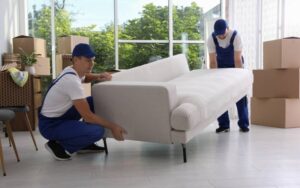
Sofas, armchairs, cushions, and fabric chairs need protection from dirt, rain, and rubbing. Use breathable covers where possible, especially for longer moves. Avoid tight plastic wrapping for long periods because trapped moisture can affect fabric. Remove cushions and pack them separately to reduce pressure and keep shapes intact.
Secure Glass Components Separately
Glass shelves, table tops, mirrors, and cabinet panels need individual protection. Wrap each piece with bubble wrap, add cardboard on both sides, and label it clearly as fragile. Never place heavy items on top of glass. Move glass upright where practical and keep it secured during transport.
Label Everything Clearly
Labels help movers understand how each item needs handling. Use labels such as fragile, glass, heavy, this side up, do not stack, and room name. Clear labelling speeds up unloading and reduces the chance of someone placing heavy items on delicate furniture.
Labels also help you unpack faster. When furniture parts, fittings, and boxes clearly show their destination, the move feels more organised. This simple step supports both furniture safety and moving-day efficiency.
Labels Prevent Mishandling
A clear label tells movers what needs extra care. Fragile glass, heavy furniture, loose fittings, and priority items should carry visible labels. Mr Shifter East Anglia Ltd recommends using bold labels on more than one side of a box or wrapped item so handlers can read them easily.
Room Labels Speed Up Unloading
Room labels help the moving team place furniture in the correct location the first time. This prevents extra lifting later and reduces the risk of damage caused by repeated movement. Label items by room, such as living room, master bedroom, office, dining room, or storage area.
Load the Moving Vehicle Correctly
Proper vehicle loading protects furniture during the journey. Place heavy furniture first and keep it against the vehicle walls where practical. Use straps to stop items shifting. Place blankets between furniture pieces to prevent rubbing. Fill gaps with cushions, soft bags, or light boxes.
Do not overload the vehicle. Do not place heavy boxes on delicate furniture. Do not leave glass loose. A careful loading plan helps prevent scratches, dents, fabric tears, and broken parts during transport.
Heavy Furniture Should Go First
Load heavy furniture before lighter boxes and delicate items. This creates a stable base and helps balance the vehicle. Mr Shifter East Anglia Ltd uses careful loading sequences because poor weight distribution can damage furniture and make the journey less safe during braking, turning, and unloading.
Straps Stop Movement in Transit
Furniture needs secure support inside the van. Moving straps keep large items stable and reduce shifting during travel. Add padding where furniture touches other items. Secure loading matters as much as careful wrapping because movement inside the vehicle causes many avoidable scratches, dents, and breakages.
Step-by-Step Guide: Furniture Protection Tips During a Move
A step-by-step process helps you protect furniture from start to finish. Begin with an inventory, measure access routes, gather materials, dismantle large items, wrap everything properly, lift safely, and load the van with care. Each step supports the next.
Do not skip preparation because moving day feels busy. Most furniture damage happens when people rush or solve problems too late. Follow a clear order and ask for help when an item feels too heavy, fragile, or awkward.
Step 1: Prepare and Measure
Start by listing furniture items, taking photos, and measuring both the furniture and access routes. Check doors, stairs, hallways, lifts, and van space. Mr Shifter East Anglia Ltd recommends completing this step before packing so you can dismantle large items and plan the safest route.
Step 2: Wrap and Protect
Clean furniture, remove loose parts, cover surfaces, protect corners, and wrap fragile components separately. Use moving blankets for wood, breathable covers for upholstery, and bubble wrap with cardboard for glass. Secure covers properly but avoid tape on delicate finishes. Good wrapping reduces scratches, dents, dirt, and moisture risk.
Step 3: Lift and Load Safely
Lift with care, use dollies or sliders where possible, and avoid dragging furniture across floors. Load heavier items first and secure them with straps. Keep glass and fragile items protected from pressure. A controlled loading process keeps furniture safer during transport and makes unloading easier.
Common Mistakes to Avoid
Many furniture problems happen because people try to save time. They use old boxes, skip corner protection, leave drawers full, drag furniture across floors, overload the van, or forget to label glass. These mistakes can lead to avoidable repairs and stressful moving delays.
You should also avoid moving heavy furniture alone. Fatigue and poor lifting technique can cause injuries or sudden drops. When furniture feels too large, valuable, or awkward, professional movers provide a safer option.
Do Not Leave Drawers Full
Full drawers make furniture heavier and can damage the frame. Loose items can slide, break, or fall out during lifting. Empty drawers before moving and pack contents separately. This reduces weight, improves control, and helps protect both the furniture and the people carrying it.
Do Not Ignore Weather
Rain can damage wood, fabric, mattresses, and cardboard boxes. Check the forecast and keep covers ready. Use waterproof mattress bags and avoid leaving furniture outside. Mr Shifter East Anglia Ltd recommends planning for bad weather because moisture can cause stains, swelling, smells, and long-term furniture damage.
Why Professional Movers Make a Difference
Professional movers understand how to protect furniture because they handle awkward, heavy, fragile, and valuable items every day. They know how to wrap items, move through tight spaces, load vehicles correctly, and reduce damage risks. Their experience saves time and gives customers peace of mind.
Professional equipment also makes a difference. Furniture dollies, lifting straps, thick blankets, secure vehicles, and careful loading methods protect belongings better than guesswork. Hiring professionals often costs less than repairing damaged furniture or property after a difficult move.
Experience Helps Prevent Damage
Experienced movers spot risks before they cause problems. They understand tight corners, stairs, fragile surfaces, heavy loads, and awkward furniture shapes. Mr Shifter East Anglia Ltd uses practical moving knowledge to protect furniture, floors, walls, and door frames throughout each stage of the relocation.
Professional Equipment Adds Protection
Professional moving equipment gives furniture better protection and safer handling. Dollies reduce lifting strain, straps secure items in the van, and heavy-duty blankets prevent rubbing and dents. These tools help movers control weight and movement, especially when handling large, expensive, or delicate furniture.
Why Choose Mr Shifter East Anglia Ltd?
Mr Shifter East Anglia Ltd provides reliable, careful, and customer-focused removal services for households and businesses. We understand that every item matters, whether it has financial value, daily use, or sentimental meaning. Our team plans moves carefully and handles furniture with respect.
We support single-item moves, full house removals, office moves, furniture deliveries, and packing help. Our goal is to make your move smoother, safer, and less stressful through clear communication, punctual service, careful handling, and professional moving methods.
Careful Handling from Start to Finish
Mr Shifter East Anglia Ltd protects furniture through planning, wrapping, lifting, loading, transport, and unloading. We treat each move as unique and choose the right approach for the furniture, property, and customer needs. Careful handling helps reduce damage and gives customers confidence on moving day.
Reliable Service and Clear Communication
A successful move needs trust. Our team communicates clearly, arrives prepared, and explains what will happen during the move. We work efficiently without rushing protection or safety. Customers choose Mr Shifter East Anglia Ltd because we value reliability, care, and straightforward service from first contact to final delivery.
Final Thoughts
Furniture protection tips during a move can prevent expensive damage and make relocation far easier. Clean furniture before packing, gather quality materials, dismantle large items, wrap surfaces properly, protect corners, label fragile pieces, and secure everything inside the van. These steps protect your belongings and reduce moving stress.
Some moves need professional support, especially when furniture feels heavy, valuable, fragile, or difficult to carry. Mr Shifter East Anglia Ltd can help you move furniture safely with the right equipment, experience, and attention to detail.
Whether you are moving one item or a full household, careful preparation always pays off. Protect your furniture before moving day, and you will enjoy a smoother journey into your new home.
Frequently Asked Questions
1. What are the best furniture protection tips during a move?
The best furniture protection tips during a move include cleaning furniture first, using moving blankets, wrapping glass separately, protecting corners, dismantling large items, labelling fragile pieces, and securing furniture inside the van. Mr Shifter East Anglia Ltd also recommends measuring access routes and using professional help for heavy or valuable items.
2. Should I disassemble furniture before moving?
Yes, you should disassemble large furniture when possible. Remove legs, shelves, mirrors, glass panels, drawers, and detachable parts to reduce weight and make handling easier. Keep screws and fittings in labelled bags. This makes transport safer and helps reassembly go smoothly after you arrive.
3. What materials should I use to protect furniture?
Use moving blankets, bubble wrap, furniture covers, packing paper, stretch wrap, corner protectors, mattress bags, cardboard sheets, and strong tape. Each material protects a different surface. Mr Shifter East Anglia Ltd recommends choosing quality materials because they cost less than repairing scratched wood, torn fabric, or broken glass.
4. How do professional movers protect furniture?
Professional movers protect furniture by assessing the item, choosing suitable wrapping, dismantling large pieces, protecting corners, using moving equipment, loading the van carefully, and securing items with straps. Their experience helps reduce damage risk, especially with heavy, awkward, valuable, or fragile furniture.
5. Why is planning important when protecting furniture during a move?
Planning helps you identify fragile furniture, measure access routes, gather materials, organise loading order, and reduce moving-day surprises. Without planning, people often rush, drag items, forget protection, or damage walls and furniture. A clear plan saves time, lowers stress, and keeps belongings safer.
Call to Action
Contact Mr Shifter East Anglia Ltd now to receive a free, no-obligation quote.
 Call us: Office: 01553 768966
 Email us: mrshiftereastanglia@gmail.com
Choose the best services with Mr Shifter East Anglia Ltd in different Locations