
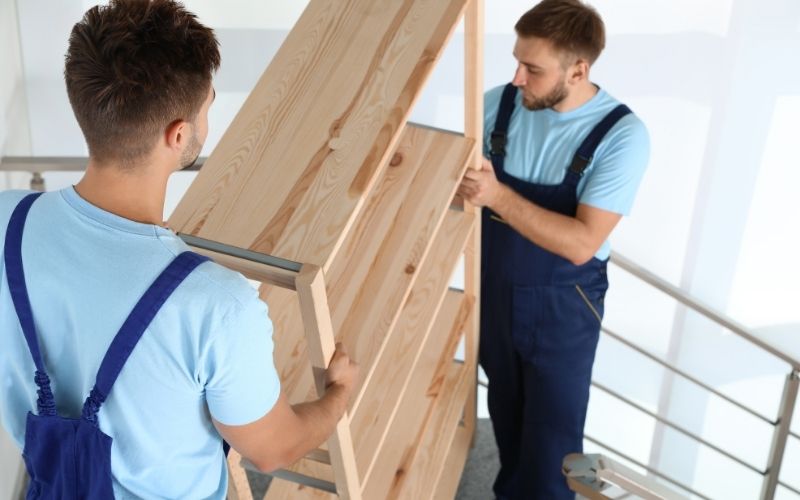
Do Removal Companies Dismantle Furniture? Everything You Need to Know Before Moving
Moving home or relocating a business involves more than packing boxes and arranging transport. Large beds, wardrobes, dining tables, workstations, and modular sofas may not fit safely through doorways, staircases, lifts, or narrow hallways while fully assembled.
This leads many customers to ask: Do removal companies dismantle furniture? Most professional removal companies can dismantle suitable furniture when safe transport requires it. However, availability depends on the company, your chosen moving package, the furniture’s construction, and the terms listed in your quotation.
Professional dismantling can protect furniture, reduce lifting risks, prevent property damage, and help movers use vehicle space effectively. Experienced teams can also reassemble suitable items at the destination when you arrange that service in advance.
Mr Shifter East Anglia Ltd provides practical moving support based on each customer’s property, inventory, access conditions, and service requirements. This guide explains what movers usually dismantle, what they may refuse, how the process works, and how to prepare before moving day.

Do Removal Companies Dismantle Furniture?
The Direct Answer
Yes, many professional removal companies dismantle furniture when the item cannot travel safely or fit through the available access points. Movers commonly handle straightforward beds, tables, shelving, wardrobes, and office furniture. Always confirm dismantling and reassembly before booking because companies may price these tasks separately or exclude certain items.
When Dismantling Becomes Necessary
Movers may recommend dismantling when furniture cannot pass through doors, turns, lifts, staircases, or narrow corridors. They may also separate heavy or unstable pieces to make carrying safer. Dismantling can protect walls, flooring, ceilings, furniture joints, and everyone working around the property during loading and unloading.
When Furniture Can Remain Assembled
Movers may transport compact, stable furniture without taking it apart when access and vehicle space allow. Bedside cabinets, dining chairs, footstools, small tables, and lightweight bookcases often travel fully assembled. The team should still empty drawers, secure doors, protect surfaces, and assess each item before carrying it.
Which Furniture Do Movers Commonly Dismantle?
Beds and Bed Frames
Most bed frames require dismantling because their full dimensions make them difficult to carry through doorways and staircases. Movers may separate headboards, footboards, side rails, slats, and storage sections. Ottoman beds, adjustable beds, and specialist frames may require manufacturer instructions or assistance from an approved technician.
Wardrobes and Storage Units
Large wardrobes often create access problems, but their construction determines whether movers can dismantle them safely. Solid timber wardrobes may separate into stable sections, while flat-pack units can weaken after disassembly. Tell the moving company the brand, size, age, condition, and assembly type before the survey.
Tables, Desks, and Workstations
Dining tables, conference tables, office desks, and modular workstations often include removable legs or connecting sections. Taking these components apart creates manageable loads and helps prevent damage to corners and joints. Movers should label every section clearly so they can rebuild each item accurately at the destination.
Modular Sofas and Shelving
Corner sofas and modular seating often separate into smaller sections through clips, brackets, or bolts. Tall shelving may also require dismantling to reduce instability during handling. Movers should inspect fixings before applying force because hidden connectors, glued joints, or damaged components can make disassembly unsafe.
Furniture That May Need Specialist Assistance
Antique and Bespoke Furniture
Antiques and custom-built furniture may contain delicate joints, aged timber, specialist finishes, or irreplaceable components. Standard dismantling could reduce value or cause permanent damage. Discuss these items before booking and provide photographs or professional valuations. Your mover may recommend a furniture specialist, restorer, or bespoke transport method.
Flat-Pack Furniture
Flat-pack furniture often relies on chipboard, cam fittings, and pre-drilled holes that weaken after repeated assembly. Movers may refuse to dismantle or guarantee these pieces because panels can split and fittings may loosen. Review the manufacturer’s guidance and accept that some units may not survive another disassembly safely.
Fitted and Wall-Mounted Items
Standard movers usually do not remove fitted wardrobes, kitchen units, wall-mounted televisions, built-in shelving, or furniture attached to the building unless specifically agreed. These tasks can involve structural fixings, plumbing, wiring, or property repairs. Arrange a qualified tradesperson when the work extends beyond normal removable household furniture.
Specialist Beds and Equipment
Medical beds, electric recliners, adjustable furniture, gym equipment, safes, and machinery may require trained technicians or manufacturer-approved procedures. Disconnecting electrical, hydraulic, or mechanical systems incorrectly can cause damage or injury. Give your removal company full details early so it can confirm whether the team can handle the item.
Why Professional Dismantling Helps
Protecting Furniture and Property
Large furniture can strike walls, door frames, ceilings, flooring, and banisters during removal. Separating it into smaller components gives movers more control in tight spaces. Proper dismantling also reduces pressure on joints, panels, hinges, and corners, which helps prevent scratches, cracks, dents, and structural damage.
Improving Manual-Handling Safety
Heavy, awkward furniture increases the risk of strains, trapped fingers, falls, and collisions. Dismantling reduces individual component weight and gives movers better grip and visibility. Trained teams combine appropriate tools, lifting techniques, and clear communication to move each section without placing customers or staff at unnecessary risk.
Using Vehicle Space Efficiently
Furniture components often stack more efficiently than fully assembled items. Efficient loading can reduce wasted space, prevent unstable gaps, and limit unnecessary journeys. Movers must still protect every surface and avoid placing excessive weight on weak panels. Good vehicle organisation balances space efficiency with safe handling and damage prevention.
How Professional Furniture Dismantling Works
Inspection and Planning
The team first assesses the furniture, access route, construction, condition, and destination requirements. Movers identify suitable connection points and check whether the item can tolerate disassembly. They may request instructions, photographs, or manufacturer information for complex pieces. This assessment helps prevent forceful or unnecessary dismantling.
Preparing the Furniture
Customers should empty drawers, cupboards, shelves, and storage compartments before the movers begin. The team removes loose shelves, cushions, doors, or accessories where appropriate. Movers may protect nearby floors and surfaces before starting work. A clear workspace allows them to organise tools and components safely.
Labelling Parts and Fixings
Professional movers should keep screws, bolts, brackets, washers, and other fittings together in clearly labelled bags. They may attach each bag to the appropriate furniture component or place it in a controlled parts container. Labels, photographs, and simple diagrams can make reassembly faster and reduce confusion later.
Wrapping and Transporting Components
After dismantling, movers protect furniture sections with padded blankets, wrapping, corner protection, or suitable covers. They load each component according to its strength, finish, and fragility. Secure positioning prevents panels from sliding, rubbing, bending, or receiving pressure from heavier furniture and packed boxes during transportation.
Do Removal Companies Reassemble Furniture?
Reassembly Depends on Your Booking
Many removal companies offer reassembly, but you should never assume that the quotation includes it. Ask whether the service covers beds, wardrobes, tables, desks, and shelving. Confirm labour charges, time allowances, and exclusions in writing so the moving team arrives with the correct tools and instructions.
Preparing the Destination Room
Movers need enough space to rebuild furniture safely. Decide where beds, wardrobes, desks, and tables should stand before unloading begins. Clear the area and confirm that flooring, decorating, electrical work, and cleaning have finished. Repositioning assembled furniture later may require extra lifting, time, and cost.
Limits of Reassembly
Movers may decline reassembly when components arrive damaged, fixings remain missing, instructions prove unavailable, or the furniture appears structurally unsafe. They may also exclude complex electrical or fitted items. An experienced company should explain concerns honestly rather than rebuilding furniture that could collapse or malfunction after the move.
How to Prepare Before Your Movers Arrive
Empty and Clean Furniture
Remove clothing, documents, dishes, electronics, and personal belongings from furniture before moving day. Empty units weigh less and create fewer hazards during dismantling. Clean and dry surfaces so movers can wrap them properly. Keep valuables, medication, identification, and confidential documents with you throughout the relocation.
Photograph Furniture Before Dismantling
Take clear photographs of complete furniture, joints, fittings, cable routes, and shelf positions. These images provide a useful reference during reassembly and help document the item’s condition. Record existing scratches or defects as well, particularly when moving antiques, expensive furniture, or equipment with several connecting components.
Share Access Information
Tell the removal company about narrow doors, spiral stairs, lifts, low ceilings, long carrying distances, parking restrictions, and difficult corners. Provide measurements when access appears particularly limited. Accurate information helps the team estimate time, staffing, tools, and whether furniture must come apart before it leaves the room.
Provide Instructions and Specialist Tools
Keep assembly manuals, manufacturer instructions, original tools, and specialist keys available where possible. Some furniture uses unique bolts, security fixings, or proprietary connectors. Providing the correct information reduces delays and helps movers avoid damaging components while trying to identify an unfamiliar dismantling system during a busy moving day.
Common Furniture Dismantling Mistakes
Waiting Until Moving Day
Do not wait until the removal vehicle arrives to mention oversized wardrobes, complex beds, or office workstations. Unplanned dismantling can delay loading and affect the quotation. Discuss every large item during the survey so the company can allocate enough time, tools, protective materials, vehicle space, and experienced staff.
Losing Small Components
Missing screws, brackets, dowels, and washers can make reassembly impossible. Place every fitting in a sealed, labelled bag and keep it with the correct item. Avoid putting loose components into random boxes. Take photographs before dismantling so the team can identify each fixing and connection point later.
Forcing Weak Furniture Apart
Applying excessive pressure can split panels, strip fixings, crack joints, or damage decorative finishes. Flat-pack and older furniture often require particular care. Stop when a component does not release normally. Consult instructions or seek specialist advice rather than using force that may make the item unusable.
Using the Wrong Tools
Incorrect screwdrivers, drills, bits, or spanners can strip fixings and damage furniture. Professional movers bring commonly required tools, but unusual furniture may need manufacturer-specific equipment. Confirm this before moving day. Do not improvise with unsuitable tools that could damage the item or cause an injury.
Understanding Costs, Liability, and Quotations
Request a Detailed Written Quote
Ask the removal company to list dismantling and reassembly separately or confirm their inclusion in the main service. The quotation should explain labour, materials, time, and exclusions. Accurate furniture information helps the company price the work fairly and reduces the chance of unexpected charges on moving day.
Review Damage and Liability Terms
Read the mover’s liability and insurance terms before booking. Some companies limit protection for customer-dismantled furniture, flat-pack units, existing damage, missing instructions, or structurally weak items. Declare high-value possessions and ask what evidence you need if you later report damage, missing components, or incomplete reassembly.
Why Choose Mr Shifter East Anglia Ltd?
Moving Support Tailored to Your Furniture
Mr Shifter East Anglia Ltd can assess your inventory, access conditions, and furniture requirements before moving day. Customers can discuss dismantling, packing, transport, unloading, and reassembly when requesting a quotation. This tailored approach helps the team prepare suitable staffing, tools, materials, and realistic moving schedules.
Clear Communication and Careful Handling
Successful furniture relocation depends on accurate information and careful work. The team discusses large, fragile, valuable, or unusual pieces before collection and explains the agreed service. Customers should provide photographs, dimensions, instructions, and access details to support safe dismantling, secure transportation, and efficient reassembly.

Frequently Asked Questions
1. Do Removal Companies Dismantle Furniture Before Every Move?
No. Movers assess each item according to its size, construction, weight, access route, and transport requirements. Large furniture may require dismantling, while compact items can often remain assembled. Discuss your inventory during the survey so the company can plan tools, labour, materials, and time accurately.
2. Is Furniture Reassembly Included After the Move?
Some moving packages include reassembly, while other companies charge separately. Confirm the exact service in your written quotation. Ask which furniture the team will rebuild and whether any exclusions apply. Specialist, damaged, fitted, antique, or complex electrical furniture may require another qualified professional.
3. Should I Dismantle Furniture Myself?
You may dismantle straightforward furniture when you have suitable tools, instructions, time, and experience. However, professional help can reduce damage and missing parts. Ask how self-dismantling affects liability. Always label components, secure fixings, photograph connections, and tell the movers which items you have taken apart.
4. How Long Does Furniture Dismantling Take?
The time depends on furniture quantity, complexity, condition, access, and available instructions. A simple bed may require little time, while wardrobes, workstations, or modular furniture can take considerably longer. An accurate survey allows the removal company to include realistic dismantling and reassembly time in the schedule.
5. Do Removal Companies Dismantle Furniture Safely?
Experienced movers use appropriate tools, planned methods, labels, protective materials, and safe handling techniques. However, no company can guarantee that every furniture item can withstand dismantling. Choose a reputable provider, disclose existing damage, review liability terms, and discuss fragile, antique, fitted, or flat-pack furniture before booking.
Final Answer: Do Removal Companies Dismantle Furniture?
So, do removal companies dismantle furniture? Many professional movers do, especially when large furniture cannot pass through the property safely or travel securely while fully assembled. They may also reassemble suitable furniture at your destination when your booking includes that service.
However, every furniture item requires an individual assessment. Flat-pack units, antiques, fitted furniture, specialist beds, electrical recliners, and structurally weak pieces may need alternative handling or specialist support.
Contact Mr Shifter East Anglia Ltd before moving day and provide accurate details about your furniture, access, destination, and required services. A clear survey and written quotation will help you understand what the team can dismantle, what it can rebuild, and which items require additional expertise.
Call to Action
Contact Mr Shifter East Anglia Ltd now to receive a free, no-obligation quote.
 Call us: Office: 01553 768966
 Email us: mrshiftereastanglia@gmail.com
Choose the best services with Mr Shifter East Anglia Ltd in different Locations