

Moving House in Spalding: Expert Tips for a Smooth and Stress-Free Move
Moving home creates an exciting opportunity to begin a new chapter, but the process demands careful preparation. You need to organise packing, transport, utilities, paperwork, children, pets, access arrangements, and key collection while protecting everything you own.
Following reliable moving house in Spalding expert tips can help you control each task, avoid preventable delays, and reduce moving-day pressure. A successful relocation usually starts several weeks before the removal vehicle arrives. Early planning gives you enough time to declutter, pack carefully, compare services, and prepare both properties.
Mr Shifter East Anglia Ltd provides professional removal support for customers moving within Spalding, relocating into the area, or travelling to another UK destination. Customers can request help with packing, furniture handling, loading, transportation, unloading, and final placement.
This guide explains how to plan your move, protect your belongings, prepare your family, and settle into your new Spalding home with confidence.
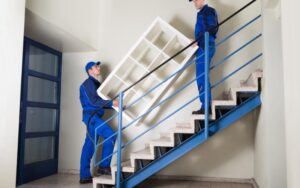
Why Early Planning Makes Moving Easier
Start Six to Eight Weeks Before Moving Day
Begin planning six to eight weeks before your preferred date, whenever possible. Early preparation gives you time to book movers, gather materials, arrange utility changes, notify organisations, and sort your belongings. It also creates flexibility if your completion date, tenancy agreement, travel plans, or property access changes unexpectedly.
Create a Detailed Moving Checklist
Write down every responsibility and assign a deadline. Include removal bookings, packing, utility transfers, address updates, school arrangements, medical records, cleaning, parking, broadband, insurance, and key collection. A clear checklist prevents important tasks from disappearing among dozens of smaller jobs and helps every household member understand their responsibilities.
Declutter Before You Start Packing
Sort Every Room Methodically
Review wardrobes, cupboards, lofts, garages, sheds, and outdoor storage areas. Separate belongings into keep, sell, donate, recycle, and dispose categories. Work through one room at a time rather than opening several unfinished areas. Decluttering reduces packing time, vehicle space, lifting work, and the number of boxes you must unpack.
Remove Large Unwanted Items Early
Arrange collection, sale, donation, or responsible disposal for unwanted sofas, wardrobes, appliances, garden furniture, and exercise equipment. Large items can affect vehicle capacity and removal costs. Removing them before the survey also gives the removal company a more accurate picture of what you genuinely plan to transport.
Create a Practical Packing Schedule
Pack Rarely Used Belongings First
Start with seasonal clothing, decorations, books, spare bedding, ornaments, and possessions stored in guest rooms. Continue with non-essential kitchenware and decorative items. Leave medication, toiletries, daily clothing, important documents, and basic cooking equipment until the final days so your home remains functional while you prepare.
Complete One Room at a Time
Packing one room fully before starting another improves organisation. It prevents unrelated belongings from becoming mixed and helps you measure progress. Seal and label each carton immediately instead of leaving unfinished boxes around the property. This method creates clear walkways and reduces confusion when the removal team arrives.
Use Strong Packing Materials
Match the Box to the Contents
Use small double-wall cartons for books, tools, tins, and other dense belongings. Medium boxes suit kitchenware and general household possessions. Reserve large boxes for lightweight items such as bedding, towels, cushions, and soft toys. Keeping cartons at manageable weights protects your belongings and reduces lifting risks.
Gather Protective Materials Early
Prepare packing paper, bubble wrap, strong tape, permanent markers, labels, mattress covers, furniture blankets, zip-lock bags, wardrobe cartons, and corner protectors. Fragile artwork, televisions, mirrors, and specialist belongings may need purpose-made packaging. Reliable materials reduce movement, scratches, moisture exposure, and breakages during transportation.
Label Every Box Clearly
Use a Consistent Labelling System
Write the destination room, general contents, box number, and handling instructions on the top and side of every carton. For example, use “Kitchen—Plates—Fragile” or “Bedroom One—Bedding—Open First.” Clear labels help movers unload efficiently and allow you to find priority belongings without opening several boxes.
Create a Simple Box Inventory
Number each box and record the main contents in a notebook or digital list. This process works especially well for larger homes and long-distance moves. An inventory helps you check deliveries, identify missing cartons, and locate specific belongings quickly after arriving at your new Spalding property.
Protect Fragile and Valuable Belongings
Wrap Delicate Items Individually
Wrap glasses, plates, ornaments, lamps, picture frames, and electronics separately with clean paper or bubble protection. Protect corners, handles, stems, and screens carefully. Place heavier objects at the bottom and lighter possessions above them. Prevent delicate surfaces from touching each other directly inside the carton.
Stop Items Moving Inside Boxes
Fill empty spaces with packing paper, cushioning, or suitable soft materials. Gently test each box before sealing it. The contents should remain stable when you move the carton. Pack plates vertically and keep glasses upright. Never place heavy items above clearly labelled fragile boxes inside the removal vehicle.
Carry Important Valuables Yourself
Keep jewellery, money, passports, contracts, medication, keys, laptops, and irreplaceable sentimental items with you where practical. Store essential paperwork inside a waterproof folder. Do not place documents that you may need during key collection, property handover, travel, or emergencies deep inside the removal vehicle.
Prepare Furniture and Appliances
Measure Furniture and Access Points
Measure sofas, wardrobes, beds, appliances, doorways, corridors, lifts, and staircases at both properties. Large furniture may need dismantling before it can pass through safely. Early measurements allow your movers to bring suitable tools, plan carrying routes, and avoid damaging walls, doors, flooring, or furniture.
Organise Furniture Fittings Carefully
Place screws, bolts, brackets, and small fittings inside labelled zip-lock bags. Attach each bag securely to the relevant furniture or store all fittings in one clearly organised container. Take photographs before dismantling complicated items. These records make reassembly faster and reduce the risk of losing essential components.
Prepare Appliances Safely
Defrost freezers, empty refrigerators, drain washing machines, secure cables, and protect hoses before moving day. Follow each manufacturer’s guidance. Arrange qualified professionals for gas, electrical, plumbing, or specialist disconnection work. Clean and dry appliances thoroughly so they do not leak, smell, or damage surrounding possessions.

Prepare a First-Night Essentials Box
Pack What You Need Immediately
Include medication, toiletries, chargers, towels, bedding, toilet paper, fresh clothing, snacks, drinks, tea, coffee, mugs, basic kitchen items, and cleaning products. Add children’s supplies and pet food where required. Keep the box with you or load it last so you can access it immediately.
Keep a Basic Toolkit Nearby
Pack screwdrivers, scissors, a tape measure, an adjustable spanner, batteries, a torch, and safe box-opening tools. A small toolkit helps you assemble furniture, open cartons, measure spaces, and complete basic tasks. Store sharp tools securely and keep them away from children throughout the move.
Prepare for Moving Morning
Finish Packing the Previous Evening
Complete all agreed self-packing before the movers arrive unless you booked a professional packing service. Seal cartons, remove loose objects, clear walkways, and separate belongings that the team should not load. Unfinished packing creates delays and may increase labour, waiting time, and moving-day stress.
Start the Day Calmly
Wake early, eat breakfast, charge mobile phones, and keep water and snacks available. Wear comfortable clothing and closed footwear. A calm start allows you to answer questions clearly, supervise final checks, and manage unexpected issues without rushing. Avoid scheduling unnecessary appointments on the same day.
Keep Children and Pets Safe
Arrange childcare or pet supervision where possible. Otherwise, keep children and animals inside a secure, quiet room away from open doors, vehicles, stairs, and carrying routes. Reducing distractions allows the movers to work safely and helps children and pets experience less disruption throughout the relocation.
Communicate with Your Removal Team
Explain Access and Parking Conditions
Tell your movers about narrow roads, restricted parking, stairs, lifts, gates, long carrying distances, and loading limitations at both properties. Reserve parking or loading space where necessary. Accurate information helps the company choose appropriate vehicles, staffing, equipment, and arrival times before moving day.
Identify Specialist Items Early
Show the team leader any pianos, safes, antiques, large mirrors, artwork, marble furniture, oversized wardrobes, or valuable electronics. Specialist items may require extra protection, equipment, or movers. Early discussion allows the company to plan safe handling instead of solving unexpected problems during loading.
Share Your New-Home Layout
Label rooms or provide a basic floor plan for the destination. Decide where beds, sofas, wardrobes, appliances, and tables should go before unloading starts. Accurate directions help movers place heavy items correctly on the first attempt and prevent unnecessary furniture movement after the team leaves.
Complete a Final Property Check
Inspect Every Storage Area
Check wardrobes, cupboards, drawers, lofts, garages, sheds, utility spaces, gardens, and outdoor storage. Look behind doors and inside appliances. People often leave items behind because they assume another household member completed the inspection. One person should take responsibility for the final walkthrough.
Record Meter Readings
Photograph gas, electricity, and water meters where applicable. Keep the images with your moving records and send final readings to the relevant suppliers. Clear evidence can help prevent billing disputes and gives you an accurate record of usage when you leave the property.
Secure the Old Home
Close windows, switch off unnecessary lights and appliances, lock external doors, and follow the agreed key-handover procedure. Keep keys organised and clearly labelled. A calm final inspection helps you leave the property safely and avoids a stressful return journey for something you forgot.
Moving with Children and Pets
Help Children Understand the Move
Explain the move in age-appropriate language and involve children in simple decisions, such as choosing box labels or planning their new bedroom. Keep favourite toys, comfort items, snacks, and clothing nearby. Familiar routines can reduce anxiety during a day that feels unfamiliar and unpredictable.
Introduce Pets Gradually
Update identification tags and prepare food, water, bedding, medication, and secure carriers. Keep pets in one quiet space while movers work. At the new property, introduce them to a limited area first. Check doors, fences, windows, and potential escape routes before allowing them to explore.
Settling into Your New Spalding Home
Prioritise Essential Rooms
Set up bedrooms, bathrooms, and basic kitchen facilities first. Assemble beds, unpack toiletries, prepare towels, and make drinks or simple meals available. Leave pictures, ornaments, and decorative tasks until later. Creating functional spaces helps the household rest comfortably after a physically and emotionally demanding day.
Complete Basic Safety Checks
Locate the stopcock, fuse box, smoke alarms, carbon monoxide alarms, meters, and emergency exits. Test alarms and confirm that essential utilities work. Check doors, windows, locks, outdoor areas, and children’s spaces. Address urgent safety concerns before focusing on decorative or non-essential unpacking.
Unpack Gradually
Follow your box labels and work through one room at a time. Remove empty cartons as you progress and avoid opening everything at once. A steady approach keeps the new home organised and prevents unpacked possessions from creating clutter, blocked walkways, or additional stress.
Why Choose Mr Shifter East Anglia Ltd?
Tailored Removal Support
Mr Shifter East Anglia Ltd supports household, flat, commercial, and long-distance relocations. Customers can discuss packing, furniture handling, loading, transport, unloading, and storage requirements. The team can shape its service around property size, access, volume, distance, schedule, and the level of help each customer needs.
Local Knowledge of Spalding
Local knowledge supports route planning, parking preparation, access arrangements, and realistic travel schedules. A team familiar with Spalding and surrounding East Anglia locations can discuss collection and delivery conditions before moving day. Early preparation can reduce long carries, transport delays, and avoidable access problems.
Clear Communication and Careful Handling
A successful move depends on honest information and clear expectations. Mr Shifter East Anglia Ltd encourages customers to explain fragile items, access restrictions, parking, furniture, and timing early. This communication helps the team arrive with suitable vehicles, equipment, staffing, and protective materials.

Frequently Asked Questions
1. When Should I Start Planning a House Move in Spalding?
Start planning six to eight weeks before your preferred date whenever possible. This period gives you enough time to book movers, declutter, collect packing materials, update services, organise documents, and pack gradually. Large homes, long-distance relocations, or complicated access may require an earlier start.
2. How Can I Protect Fragile Belongings?
Wrap each item individually, use strong cartons, fill empty spaces, and keep boxes at manageable weights. Pack plates vertically, protect glass rims and stems, and label every fragile carton clearly. Tell the removal team which items require extra care before loading begins.
3. Should I Hire a Professional Removal Company?
Professional movers provide trained labour, suitable vehicles, lifting equipment, protective materials, and organised transport. They can reduce physical strain, save time, and help prevent damage to belongings and property. Professional support becomes especially valuable for larger homes, difficult access, heavy furniture, and long-distance moves.
4. What Should I Pack in an Essentials Box?
Include medication, toiletries, phone chargers, fresh clothing, towels, bedding, toilet paper, drinks, snacks, tea, coffee, basic kitchen supplies, cleaning products, children’s necessities, and pet items. Keep important documents and valuables separately and carry both with you during the relocation.
5. Why Does Local Knowledge Matter When Moving in Spalding?
Local knowledge helps a removal team plan routes, travel times, parking, property access, and vehicle positioning. Discussing these details before the move reduces the chance of delays and long carrying distances. Local familiarity also supports more realistic collection and delivery scheduling.
Move House in Spalding with Confidence
The most useful moving house in Spalding expert tips focus on early planning, careful packing, clear communication, and realistic preparation. Start several weeks ahead, declutter every room, use reliable materials, label every carton, and protect fragile belongings properly.
Prepare children, pets, appliances, documents, and access arrangements before moving day. Keep first-night essentials with you, inspect the old property carefully, and guide movers clearly when you reach your new home.
Mr Shifter East Anglia Ltd provides professional removal support in Spalding and throughout East Anglia. With an organised plan, accurate information, and an experienced moving team, you can protect your belongings, reduce disruption, and begin the next stage of your life with greater confidence.
Call to Action
Contact Mr Shifter East Anglia Ltd now to receive a free, no-obligation quote.
 Call us: Office: 01553 768966
 Email us: mrshiftereastanglia@gmail.com
Choose the best services with Mr Shifter East Anglia Ltd in different Locations